
1. Introduction
A ducted heating system is an essential part of maintaining a comfortable indoor environment, especially during colder months. However, if your ducted system stops working or doesn’t perform as expected, it can be quite frustrating. This guide will help you troubleshoot common issues with ducted systems, offering practical solutions to get your system back up and running. If you need specialised assistance, consider looking into ducted heating service in Melbourne for professional help.
2. Common Causes of Ducted System Issues
Before diving into troubleshooting, it’s helpful to understand some common problems that can affect ducted systems:
1. Power Supply Issues
A lack of power is a frequent cause of system failures. This could be due to a tripped circuit breaker, a blown fuse, or a power outage.
2. Thermostat Problems
If the thermostat isn’t working properly, your system might not heat or cool as intended. Issues with calibration or settings can cause temperature control problems.
3. Airflow Problems
Restricted airflow can result from blocked ducts, dirty filters, or closed vents. This can affect the efficiency and performance of your system.

4. Mechanical Failures
Components like the blower motor, compressor, or fan can fail, leading to system malfunctions.
5. Leaks or Blockages
Leaks in ductwork or blockages in the system can reduce efficiency and cause uneven heating or cooling.
3. Basic Troubleshooting Steps
Here are some simple steps you can take to troubleshoot your ducted system:
1. Check the Power Supply
- Circuit Breaker: Ensure that the circuit breaker for your ducted system hasn’t tripped. If it has, reset it and see if the system starts working.
- Fuse: Check for any blown fuses in the system. Replace any faulty fuses with new ones of the same rating.
2. Inspect the Thermostat
- Settings: Make sure the thermostat is set to the desired temperature and mode (heating or cooling).
- Batteries: If your thermostat uses batteries, check if they need replacing.
3. Examine the Air Filters
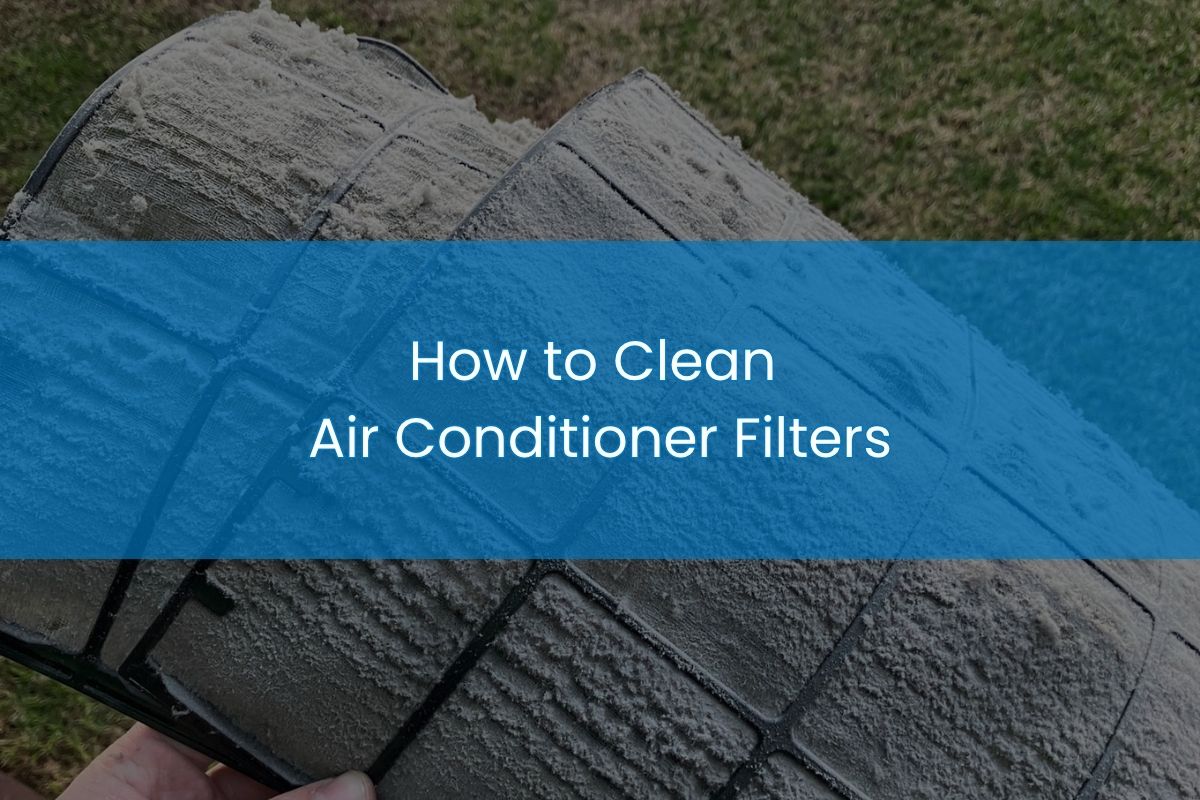
- Clogged Filters: Dirty or clogged filters can restrict airflow. Remove the filters and clean or replace them as necessary.
- Regular Maintenance: Ensure you replace filters regularly as part of routine maintenance.
4. Check the Vents and Ducts
- Open Vents: Ensure that all vents are open and not blocked by furniture or other items.
- Inspect Ductwork: Look for visible signs of blockages or damage in the ductwork.
5. Listen for Unusual Noises
- Strange Sounds: Unusual noises, such as banging or grinding, can indicate a mechanical issue. Note any odd sounds and consider whether they could be related to a specific component.
4. Advanced Troubleshooting Techniques
If the basic steps don’t resolve the issue, you may need to try more advanced troubleshooting techniques:
1. Inspect the Blower Motor
- Operation: Check if the blower motor is running. If not, it may need to be repaired or replaced.
- Clean the Motor: Dust and debris can affect the blower motor’s performance. Clean it carefully if you are comfortable doing so.
2. Check the Compressor
- Operation: Ensure that the compressor is running. If it’s not, there may be a problem with the unit’s power supply or internal components.
3. Examine the Ductwork
- Leaks: Look for any signs of leaks or damage in the ductwork. Leaks can reduce system efficiency and need to be repaired.
- Blockages: Use a flashlight to check for blockages in the ducts. If you suspect a blockage, you may need to use a duct cleaning service.


4. Test System Controls
- Control Settings: Ensure that all control settings are correct and functioning properly.
- Wiring: Check for any loose or damaged wiring connections. Repair or replace any faulty wires as needed.
5. Inspect Refrigerant Levels (for Cooling Systems)
- Low Refrigerant: If your system is not cooling properly, it could be due to low refrigerant levels. This typically requires professional attention.
5. When to Call a Professional
If you’ve tried the above steps and your system is still not working properly, it’s time to call a professional. Here’s when to seek expert help:
1. Persistent Issues
If the problem persists despite your troubleshooting efforts, a professional technician can diagnose and fix complex issues.
2. Mechanical Failures
If you suspect a mechanical failure, such as with the compressor or blower motor, it’s best to have a professional inspect and repair the system.
3. Safety Concerns
If you encounter electrical issues or any concerns that could affect your safety, call a professional immediately.
4. Routine Maintenance
Even if your system is functioning well, regular professional maintenance can help prevent future issues and ensure optimal performance.
Consider contacting Extrordinaire for specialised help if needed.
6. Preventative Maintenance Tips
Regular maintenance can help prevent many common issues and ensure your ducted system runs efficiently. Here are some tips:
1. Schedule Regular Inspections
Have your system inspected by a professional at least once a year to identify and address any potential problems before they become major issues.
2. Replace Air Filters
Change air filters regularly, usually every 1-3 months, to maintain good airflow and system efficiency.
3. Clean the Ductwork
Consider having your ductwork cleaned every few years to remove dust, debris, and potential blockages.


4. Check and Maintain the Thermostat
Ensure your thermostat is properly calibrated and functioning. Replace batteries as needed and keep it clean.
5. Keep Vents Clear
Ensure that all vents are unobstructed to allow for proper airflow throughout your home.
7. Conclusion
Troubleshooting a non-functioning ducted system can be a manageable task if you follow the right steps. Start with basic checks and progress to more advanced techniques if necessary. If you’re unsure or the problem persists, don’t hesitate to call a professional. Regular maintenance is key to preventing issues and keeping your system running smoothly.
Addressing problems with your ducted system early can save you from more costly repairs and ensure your home remains comfortable throughout the year. Be proactive in monitoring your system’s performance and be attentive to any signs of malfunction. Regular inspections, proper care, and timely repairs can significantly extend the lifespan of your system and enhance its efficiency.
By staying informed and attentive, you can ensure your system operates efficiently and reliably, providing the comfort you need all year round. Regular maintenance, coupled with timely troubleshooting, will keep your system in good shape and avoid unexpected breakdowns.

20 Years
Experience

Professional
and Licensed

24 Hour
response time

Parts and labour
Guaranteed

Residential
& Commercial

Service
Melbourne Wide

No hidden
Cost

Clean Installation
Service


Client Reviews

Christine & Adam
Very friendly staff, have recommended to our friends.
Vik
Many thanks for the service, advise Extrordinair that I shall look for more jobs with relatives and friends for them, this was my own personal one.
Dorothy
The split kept us cool and comfortable in summer, a difficult job carried out with great professionalism.
Prof. Graham
Thank you for accommodating our particular requirements/requests and for being interested in our level of satisfaction.