The Complete Homeowner’s Guide to Heating & Cooling in the Keilor Region
If you’re a homeowner in the city of Brimbank region, you know what Melbourne’s weather can throw at you. Scorching 40-degree summer days followed by freezing winter mornings that make you question why you ever left the warmth of your bed. Your heating and cooling system isn’t just a luxury, it’s essential for year-round comfort.
But here’s the thing: choosing the right HVAC system for your home isn’t as simple as picking the biggest unit on the shelf. Whether you’re living in a modern townhouse near Copernicus Way, a spacious family home along Old Calder Highway, or anywhere in between, your heating and cooling needs are unique to your property, your family size, and your lifestyle.
That’s where we come in. At ExtrordinAir, we’re based in Airport West, which means we know the Keilor East, Keilor Park, and Keilor Downs inside and out. We’ve been helping local families stay comfortable for over 20 years, and we’ve learned a thing or two about what works in this part of Melbourne’s western suburbs.
In this guide, we’ll walk you through everything you need to know about planning your heating and cooling upgrade, so you can make the right choice that will serve you and your home well for years to come.
- The Varying Home Sizes Across Brimbank
- Heating and Cooling Your Keilor Home by Size
- Planning for Growing Families or Multi-Generation Living
- Future-Proofing Your HVAC Investment
- Home Age & Construction Type
- Council Regulations
- Making the Right Choice
- Why Professional Assessment Matters
- Our Seasonal Maintenance Tips for Keilor Homeowners
- When to Call a Professional
- At ExtrordinAir, Your Comfort Is Our Priority
- Contact ExtrordinAir Today for a Free, No-Obligation Assessment
The Varying Home Sizes Across Brimbank
Before we talk about air conditioners and heaters, let’s talk about your home. The Keilor region has a beautiful mix of housing styles, from heritage homes in established Keilor to contemporary townhouse developments in Keilor Downs. What works for one home, may not work for another.
According to the Australian Bureau of Statistics, the average newly built home in Greater Melbourne measures approximately 247 square metres. Victorian homes tend to be even more generous, with Better Homes & Gardens reporting house sizes are around 30% larger than they were in the 1980s.
But here’s what we’ve noticed working in the Keilor area: many homes, particularly in Keilor Park and along the established streets of Keilor, sit comfortably above these averages. This suburb is known for its large blocks and spacious family homes, which is part of what makes it so appealing to growing families.
The demographic data tells us that the average household size across the different Keilor suburbs is about 2.6 people per dwelling. Most families are couples with children, which means homes need to be comfortable for everyone from toddlers to teenagers, and sometimes even grandparents living in.
Heating and Cooling Your Keilor Home by Size
As we’ve installed countless air conditioners throughout the region, we’ve seen pretty much every home layout you can imagine. Here’s what’s most common:
2 Bedroom Homes (approximately 65-90 sqm)
If you’re living in one of the modern townhouses around Lakeside Drive in Keilor East, or a compact unit in Kavanagh Crescent near Keilor Central, you’re in luck. Smaller spaces are easier and more affordable to heat and cool effectively.
These smaller properties are perfect for couples, singles, or downsizers who want the convenience of the Keilor region without the maintenance of a large home.
Recommended Systems: Split system air conditioners are your best friend here. Wall-mounted units are efficient, cost-effective, and perfect for open-plan living areas.
Capacity: For a bedroom, you’ll typically need a 2.5 to 3.5 kW unit. For your main living area, look at 5 to 7 kW. One or two well-placed split systems can often handle the entire home.
The good news about newer townhouses in Keilor Downs is that they’re typically built with better insulation than older homes. They comply with modern building codes, which means they retain heat in winter and stay cooler in summer with less effort from your HVAC system.
When we’re installing split systems in these homes, we always pay attention to energy efficiency ratings. Since you’re cooling or heating a smaller space, running costs can be remarkably low.
3 Bedroom Homes (approximately 150-200 sqm)
This is the sweet spot. About 44% of Australian homes have three bedrooms, and the Keilor region is no exception. If you’re living in one of the family homes on Park Drive near Milleara Shopping Centre or in the established areas off Fawkner Cres, chances are you’ve got three bedrooms, an open-plan living area, and maybe a separate family room or study.
These homes are perfect for young families. There’s room for the kids to have their own bedrooms, a dedicated living space, and often a lovely backyard for summer barbecues (which you’ll definitely want to keep cool on those scorching January afternoons).
Recommended Systems: You’ve got two great options here. Multi-split systems or ducted air conditioning. Multi-split systems let you have several indoor units (in different rooms) connected to one outdoor unit. Ducted systems use one central unit with vents throughout your home.
Capacity: You’re looking at 10-13 kW total capacity, depending on your layout and insulation.
Zoning Recommendations:
This is where smart HVAC design really shines. Instead of heating or cooling your entire home all the time, you can create zones:
- Zone 1: Living areas – McFarlane St homes often have beautiful open-plan living spaces. This is typically your largest zone and where you’ll spend most of your time during the day.
- Zone 2: Bedroom wing – No need to heat or cool the bedrooms during the day when everyone’s at work and school. Turn this zone on about an hour before bedtime for perfect sleeping conditions.
- Zone 3: Additional rooms/study – That home office or spare bedroom can be on its own zone, only running when needed.
Heating Options: Upgrading your ducted gas heating to reverse-cycle air conditioning comes with generous VEU rebates of up to $5530 in 2026.
Many homes near Buckley Street and along Keilor Road were built in the 70s and 80s. They’re solid homes with great bones, but they might not have the best insulation in the walls or ceiling.
Before we install your system, we might recommend an insulation assessment. Adding insulation can dramatically improve your system’s efficiency and your comfort all year round.
4 Bedroom Homes (approximately 200-250+ sqm)
If you’re blessed with a large family home in Keilor Park or one of the established properties near Keilor Village, you need a system that’s equally substantial. These homes often have multiple living areas, four or more bedrooms, and sometimes two storeys.
These are common on the larger blocks in Keilor and Keilor Park. We’re talking about those beautiful family homes in Faye Cres, Rutherglen Way and near the Old Calder Highway. Or the spacious properties in Minato Place near Keilor Recreation Reserve.
If this sounds like your home, you’ve got some great options for zoned heating and cooling.
Recommended Systems: Ducted reverse-cycle air conditioning with zoning is usually the way to go. It provides even, consistent temperature control throughout your home and looks great. With subtle vents in the ceiling, there are no wall units taking up space, and a single outdoor unit.
Capacity: Most homes in this size range need 12-18 kW systems. We’ll do a heat load calculation to be sure, taking into account your home’s characteristics.
Zoning Strategy:
With a home this size, 3-4 zones are optimal for efficiency:
- Zone 1: Main living and entertaining areas
- Zone 2: Master bedroom suite
- Zone 3: Kids’ bedrooms
- Zone 4: Additional living spaces, guest rooms, or home theatre
If you have a second storey, you might even consider separate systems for each level. Heat rises, which means your upstairs can be significantly warmer in summer. A dedicated system upstairs ensures everyone stays comfortable without overcooling the ground floor.
A Note for Tree-Lined Streets:
Homes along the tree-lined streets of Keilor Park Drive benefit from natural shading, which can reduce your cooling loads significantly. Those beautiful established trees are doing some of the work for you!
When we calculate your system size, we take this into account. We understand there is no point paying for capacity you don’t need. If you still have ducted gas heating (and are happy to keep this), you may also want to consider evaporative cooling, which reduces indoor temperatures by around 10 degrees Celsius on hot dry days.
5+ Bedroom Homes (250+ sqm and beyond)
For large or multi-generational families, these homes offer space, comfort, and flexibility. Maybe you’ve got teenage kids who need their own space, or perhaps you’re caring for aging parents in a separate living area. These homes are prevalent in the more established areas where larger blocks allow for expansive floor plans.
With expansive properties around Keilor Recreation Reserve or the impressive homes in Struner Avenue, Brees Road and Skyline Dr near Brimbank Park, you need a serious HVAC solution.
Recommended Systems: Large-capacity ducted systems (16 to 20+ kW) or, in some cases, multiple systems serving different areas of the home.
Special Considerations for the Keilor Region:
The expansive properties in parts of Keilor and Keilor Park often have large outdoor entertaining areas. Those summer barbecues by the pool or autumn dinners on the back patio are even more enjoyable when you’re comfortable. Consider outdoor heating solutions like:
- Radiant outdoor heaters for alfresco areas
- Integrated outdoor climate control for enclosed verandahs
- Standalone units for pool areas
Multiple outdoor units might be needed to serve a home this size. The good news? With the larger block sizes in this area, we have plenty of flexibility for placement. We can position units to minimise noise impact and keep them out of sight from your main entertaining areas.
Planning for Growing Families or Multi-Generation Living
Here’s something we’ve learned after two decades serving the Keilor region: families change, homes evolve, and your heating and cooling needs change with them. The system that was perfect when you moved into your starter home in Keilor Downs might not cut it when baby number three arrives.
Let’s talk about planning ahead so you don’t have to replace your entire system every time your family grows.
Starting Out: A 2 Bedroom to 3 Bedroom Transition
Moving from a townhouse to a family home in Keilor East? First of all, congratulations! This is an exciting time. But it’s also the perfect opportunity to get your heating and cooling right from the start.
Timeline: Consider upgrading before you move in, or within the first year. Installing HVAC is much easier before you’ve furnished every room and hung pictures on your walls.
System Evolution: You’re probably moving from one or two split systems to either a multi-split setup or a small ducted system. This is a significant jump, but it’s worth it for the improved comfort and convenience.
Budget: Expect to invest $4,000 to $8,000 depending on the system type and your home’s specifics. Yes, it’s a chunk of money, but spread over the 15-20 year life of a quality air conditioner, it’s a small price for year-round comfort.
What We Recommend: For a three-bedroom family home in the 150-180 sqm range, we often suggest a 7-10 kW ducted system with two zones (living areas and bedrooms). This gives you flexibility as your family grows and keeps running costs reasonable.
Expanding Family: 3 Bedroom to 4 Bedroom Homes
Adding rooms to your home near Dinah Parade or expanding into the roof space? Maybe you’re knocking down walls to create that open-plan kitchen you’ve always wanted? Renovations are the perfect time to reassess your HVAC.
Assess Your Current System:
Before you rush to upgrade, let’s figure out if your current system can handle the extra load. We’ll look at:
- Current system capacity and age
- Condition of existing ducting (if applicable)
- Whether the system is already running at maximum capacity
- Your comfort level with the current setup
Your Options:
Option 1: Add zones to your existing ducted system If your current system has capacity to spare and is less than 10 years old, we might be able to extend the ducting to your new spaces. This is often the most cost-effective solution. Budget: $2,000-$4,000
Option 2: Install supplementary split systems Adding a split system in your new bedroom or expanded living area can take the load off your main system. This works particularly well for second-storey additions. Budget: $3,000-$5,000
Option 3: Complete system upgrade If your existing unit is 10+ years old, struggling to keep up, or frequently breaking down, it might be time for a fresh start. Modern systems are significantly more efficient than models from even a decade ago. Budget: $8,000-$15,000 – VEU rebates may be available.
Multi-Generational Living: 4+ Bedrooms
Creating a granny flat for aging parents? Building a teen retreat over the garage? Maybe you’re converting the ground floor of your Keilor Park home into a separate living space for adult children?
Multi-generational living is becoming increasingly common, and it presents unique HVAC challenges and opportunities.
The Best Approach: Separate Systems
Rather than one massive system serving the entire property, consider separate systems for different living zones. This gives each generation independence to control their own comfort. Grandma likes it toasty warm while the teenagers prefer it cool? No problem.
Benefits:
- Independent temperature control for different living areas
- Lower running costs (only cool or heat the spaces being used)
- If one system needs service, the other keeps working
- Better suited to homes with separate living quarters
Budget: If you don’t currently have any air conditioning, plan for $12,000 to $20,000+ depending on the size and complexity of your setup. Otherwise, if you are simply adding a split system to a new room, budget $3000 to $5000.
Future-Proofing Your HVAC Investment
Here’s some advice that can save you thousands down the track:

Choose Systems with Expandable Capacity
When we’re quoting a system for your current needs, we always consider what might happen in 5-10 years. Can the outdoor unit support additional indoor zones? Is there room in the roof space for extra ducting? Planning ahead means easier upgrades later.

Install Ducting During Renovations
Even if you’re not ready to install the full ducted system yet, running the ducting during your renovation (when the ceiling is open anyway) is incredibly smart. You can start with a smaller system and upgrade the main unit later.

Consider Smart Thermostats
Modern thermostats that learn your schedule and can be controlled from your phone aren’t just fancy gadgets, they genuinely reduce running costs. When you’re stuck late at work in the city, you can delay the heating starting up at home. Or turn on the cooling from Milleara Shopping Centre so your home is perfect when you arrive with the groceries.

Think Solar
The Keilor region gets plenty of sunshine (sometimes too much on those 40-degree days!). More and more of our customers are pairing their new air conditioning systems with solar panels. Running your air conditioning during the day when your solar panels are generating? That’s essentially free cooling for your home.
Home Age & Construction Type
The age and construction of your home dramatically affects your heating and cooling needs. Here’s what we typically see:
Heritage & Older Homes (Pre-1980s)
If you’re lucky enough to own one of the beautiful heritage homes along Old Calder Highway or near the historic Overnewton homestead in Keilor, you know these homes have character in spades. They also have some specific HVAC challenges:
The Good:
- High ceilings (often 2.7m or more) create a sense of space and grandeur
- Thick walls can provide some insulation
- Established gardens often provide natural shading
The Challenges:
- Those high ceilings mean more volume to heat and cool
- Poor or non-existent wall and ceiling insulation
- Single-pane windows that let heat in during summer and out during winter
- May not have existing ducting or ceiling space suitable for ducted systems
- Heritage overlays might restrict outdoor unit placement
Our Approach:
For heritage homes, we often recommend a combination approach: high-quality split systems in main living areas, supplemented by ceiling fans and good insulation upgrades. If ducted is possible, we make sure to specify a more powerful system to account for the extra volume and heat loss.
That beautiful heritage home near the Maribyrnong River might need extra consideration, but with the right system design, you can stay comfortable year-round while preserving the character of your home.
Established Homes (1980s-2000s)
This is the bulk of housing stock throughout Keilor East, particularly around the McFarlane Street area, and much of Keilor Park.
Characteristics:
- Standard ceiling heights (2.4m)
- Usually some ceiling insulation, though it might be thin by today’s standards
- Often built with ducted heating already (though it might be old and inefficient)
- Good bones for retrofitting modern systems
Our Approach:
These homes are ideal candidates for ducted reverse-cycle air conditioning. There’s usually existing roof space and ductwork that can be upgraded. If we’re replacing an old ducted heater, we can often use the existing duct runs, which saves on installation costs.
We’ll assess your insulation and often recommend topping it up before installing the new system. The combination of better insulation and a modern, efficient inverter air conditioner can cut your running costs in half compared to your old setup.
Modern Homes (2000s onwards)
The newer developments around Kavanagh Crescent, recent knock down rebuilds in Paul Avenue and throughout the region represent modern construction at its best.
Characteristics:
- Better insulated to meet current building codes
- Often pre-wired for air conditioning
- More energy-efficient windows and doors
- Smaller blocks in some areas (particularly townhouse developments)
Our Approach:
These homes are a dream to work with. The better building envelope means we can often specify a smaller (and less expensive) system while achieving better comfort. The challenge is sometimes working with smaller blocks – we need to be creative with outdoor unit placement to minimise noise impact on you and your neighbors.
Block Size Considerations
This is where the Keilor region really shines compared to inner suburbs or newer master-planned estates:
Large Blocks (Keilor Park and Keilor)
If you’re on one of those generous blocks in Keilor Park or along the established streets of Keilor, you’ve got options:
Advantages:
- Plenty of room for outdoor unit placement—we can position it for minimal noise impact
- Can place units away from bedrooms and living areas
- Room for multiple outdoor units if needed for larger homes
- Space for outdoor heating in your alfresco area
- Neighbor noise considerations are less critical
The Outdoor Living Opportunity:
With all that space, many of our customers extend their comfort zone outdoors. We can install:
- Radiant heaters in your alfresco area for autumn evenings
- Outdoor ceiling fans for your verandah
- Climate control for enclosed outdoor rooms
Imagine hosting a birthday party in your backyard in January, with outdoor cooling keeping your guests comfortable. Or family dinners on the back deck in June with overhead heating. These are the little luxuries that make your home truly special.
Smaller Blocks (Townhouses and Units)
The modern townhouse developments near Watergardens or along Copernicus Way work with more compact blocks:
Considerations:
- Limited outdoor unit placement options
- Noise is more important—you’re closer to neighbors
- May need wall-mounted units instead of ground-placed outdoor units
- Less flexibility for outdoor entertaining solutions
Our Approach:
We take extra care with unit placement in these properties. Modern systems are much quieter than older models, but we still position outdoor units thoughtfully. Sometimes a wall-mounted unit with vibration dampeners is the best solution. We’ll also check council regulations and body corporate rules before installation—better to know about restrictions upfront.
Council Regulations
The Keilor region spans three local government areas:
- City of Brimbank: Covers Keilor Downs, Keilor Park, and most of Keilor
- City of Moonee Valley: Covers the eastern part of Keilor East
- City of Hume: Covers the northern section of Keilor (mainly north of Calder Freeway)
For most standard air conditioning installations, you won’t need a planning permit. If you’re installing a standard split system or ducted unit in a typical residential property, we can usually proceed without council approval.
When You Might Permissiont:
- Heritage overlay areas (some parts of Keilor township)
- Properties listed on heritage registers
- Major installations visible from the street in certain zones
- Installations affecting significant trees or vegetation
As your local HVAC specialists, we’ll check whether your property needs any special approvals before we start work. It’s part of our service – you don’t need to become an expert in planning regulations.
Making the Right Choice
We’ve covered a lot of ground, so let’s bring it back to what matters: your comfort, your budget, and getting the right system for your specific situation.
Before you call us (or any HVAC company), think about these questions. Your answers will help guide the conversation:
How many years do you plan to stay in this home?
If you’re planning to sell within 2-3 years, you might opt for a mid-range system that adds value without over-capitalising. If this is your forever home, invest in the best system you can afford – you’ll enjoy it for decades.
Are you planning renovations or extensions?
Tell us about any plans to add rooms, extend the living area, or build a second storey. We can design a system that accommodates future growth.
What’s your budget?
Be upfront about both installation and running costs. We can work with different price points, and sometimes a slightly more expensive system upfront saves you thousands in running costs over its lifetime. We’ll be honest about what you’re getting at each price point.
With interest free payment plans available (via ZipPay, to approved purchasers), we can install a split system air conditioner from $19 per week, or a large 18kW ducted system with zoning from $83 per week.
Do you have solar panels or plan to install them?
If you’ve got solar or plan to install it, this changes our recommendations. We might suggest a more powerful system since you can run it during the day when your panels are generating power essentially for free.
What are your comfort priorities?
Some customers want every room at exactly 22°C, all the time. Others are happy with “cool enough” in summer and “warm enough” in winter if it means lower bills. Neither approach is wrong, they just lead to different system choices.
Do you work from home? That home office in Keilor East needs to be comfortable during the day. Are you out all day and mainly home in the evenings? We can design a system that works with your schedule.
Why Professional Assessment Matters
Here’s something we want you to know: online air conditioner size calculators are excellent starting points for understanding what size system you might need. Our calculator takes into account room dimensions, insulation, and other key factors to give you a ballpark figure.
Your home is unique, and it deserves better than a one-size-fits-all approach. When we assess your home, we’re looking at each room individually:
- Dimensions (length, width, height)
- Window sizes and orientations
- Insulation levels
- How many people typically occupy the space
- What equipment generates heat (kitchen, computers, TVs)
- Whether rooms share walls with unconditioned spaces
That’s why we offer free, no-obligation in-home assessments. Use our online calculator to get an estimate, then let us visit your home to provide accurate, tailored recommendations. There’s no pressure – just honest advice from local experts who want to get it right the first time.
Here’s what we consider:
Heat Load Assessment: This is the science behind HVAC. We calculate how much heat enters your home in summer and how much escapes in winter.
Window Orientation: North-facing homes along Odessa Avenue get significantly more sun exposure than south-facing homes. West-facing living rooms cook in the late afternoon summer sun. We account for all of this.
That wall of windows overlooking your beautiful Brimbank Park view? Gorgeous for you, but it’s a heat load challenge for us. We’ll factor it in.
Insulation Levels: Good insulation is like a blanket for your home. A home with modern insulation might need a 10kW system, while an identical home with poor insulation might need 14kW.
Ceiling Height: This is huge. A room with 2.4m ceilings and a room with 3.6m ceilings might be the same floor area, but the volume difference is dramatic. We’re cooling or heating air, so more volume means more capacity needed.
Number of Occupants: People generate heat – about 100 watts per person. A home office with just you needs less cooling than a living room where the whole family gathers. We factor this into our calculations.
3D Thermal Imaging:
For challenging homes or when we’re troubleshooting comfort issues, we sometimes use thermal imaging cameras. These show exactly where heat is leaking in or out of your home. Sometimes we discover problems you didn’t know you had, like insulation that’s missing in sections of the roof, or air gaps around windows.
That investment in finding and fixing these issues can be as valuable as the HVAC system itself.
Our Seasonal Maintenance Tips for Keilor Homeowners
Installing the right air conditioning system is step one. Maintaining it properly is how you ensure it lasts 15-20 years instead of limping along for 10 years and dying an expensive death. Here’s what you need to know:
Think of air conditioner servicing and repairs like performing maintenance on your car – regular attention prevents expensive problems.
Spring
During September or October, make sure your system is ready for when the hot water hits:
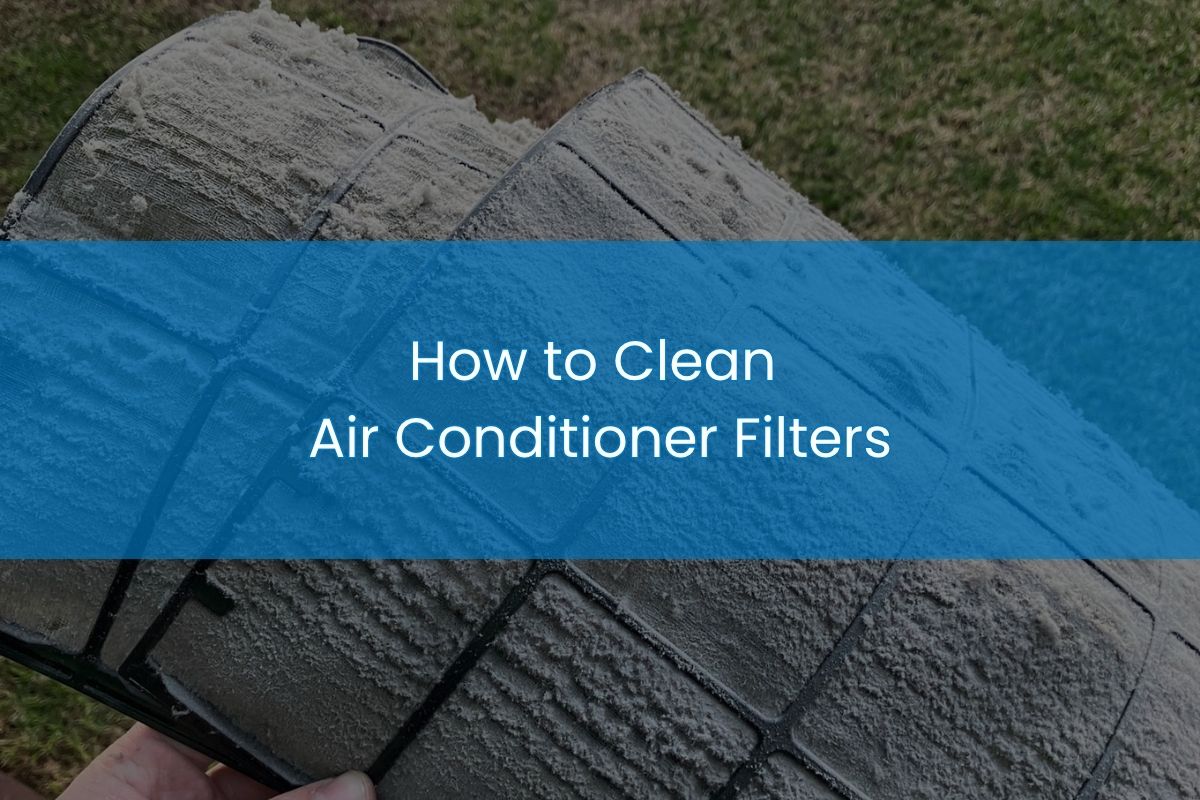
Clean or Replace Filters: Dirty filters are the number one cause of poor performance and high running costs. For most homes, check filters monthly and clean them every 1-3 months depending on usage. If you have pets, allergies, or live on a dusty street, clean them monthly.
Check the Outdoor Unit: Walk outside and look at your outdoor unit. Clear away leaves, grass clippings, cobwebs, and any debris. This is especially important if your unit sits under trees (common in the leafy areas like Horseshoe Bend Rd along the Maribyrnong River).
Check that plants haven’t grown too close – you need good airflow around the unit. At least 30cm of clearance on all sides is ideal.
Professional Service: Book a pre-season service. We’ll check refrigerant levels, test all electrical components, clean the coils, and make sure everything is running efficiently. This costs a couple of hundred dollars and can prevent a $500+ breakdown in the middle of summer.
Autumn
Now’s the time to test your heating before the cold weather hits.
Test Heating Function: Turn your system to heating mode and make sure it works. The worst time to discover a problem is on the first truly cold morning when everyone’s shivering.
Check Ducts for Leaks: If you have ducted heating, check visible ductwork for gaps or disconnected sections. Leaking ducts can waste 20-30% of your heated air, which is literally money disappearing into your roof cavity.
Clean Filters Again: Even if you cleaned them in spring, they might need attention again. Fresh filters mean better air quality and more efficient heating. For ducted systems, check the return air grille and clean away dust.
With ongoing development in parts of Keilor Downs and new builds throughout the region, there’s often construction dust in the air. This clogs filters faster than normal. If you live near an active building site, check and clean filters monthly.
Check Your Outdoor Units:
The beautiful established trees throughout Keilor, Keilor Park, and along the Maribyrnong River are gorgeous, but they drop leaves. Autumn is particularly problematic. Check your outdoor unit regularly during autumn and clear away debris.
If leaves and debris get into the outdoor unit, they block airflow and make your system work harder (meaning higher bills and more wear and tear).
Hard Water Issues:
Some areas in the Keilor region have harder water. If you have an evaporative cooling system, hard water causes mineral buildup that reduces efficiency. Regular descaling is essential. Now’s the time to book an evaporative cooling service and winterise your cooling system.
When to Call a Professional
Some maintenance you can do yourself. Other times, you need an expert. Call us when you notice:
Strange Noises
Air conditioners should run fairly quietly. If you hear:
Grinding or squealing: Could be bearing problems
Banging or clanking: Something might be loose
Hissing: Possible refrigerant leak
Bubbling or gurgling: Usually drainage issues
Reduced Cooling or Heating Efficiency
If your system is running constantly but not getting your home comfortable, something’s wrong. This might be:
Low refrigerant (indicating a leak)
Failing compressor
Blocked or leaking ducts
Incorrectly sized system
Higher Than Normal Energy Bills
If your bills suddenly spike without a corresponding increase in usage, your system is probably working harder than it should. Better to catch and fix a small problem than run an inefficient system for months.
Unusual Odours
Musty smells often indicate mould in the ductwork or unit. This is both a comfort and health issue. Chemical or burning smells need immediate attention. Turn off the system and call us right away.
Water Leaks
Indoor units produce condensation that should drain away properly. If you see water leaking from your indoor unit or ceiling vents, the drain line is probably blocked. Left unchecked, this can cause water damage to your ceiling and walls.
Don’t ignore these warning signs. A small problem caught early is usually a quick, inexpensive fix. The same problem ignored for months can turn into a major repair or even full system replacement.
At ExtrordinAir, Your Comfort Is Our Priority
We’ve covered a lot in this guide! From understanding your home’s unique characteristics to choosing the right system size, planning for family growth to maintaining your investment for years to come.
Here’s the bottom line: your home should be comfortable year-round. You shouldn’t have to huddle in one room with a portable heater in winter or retreat to the coolest corner of your house in summer. Your family deserves better than that.
So, why choose ExtrordinAir for Your Keilor Home?
We’re Your Neighbours
Based in Airport West, we’re a local business serving local families. When you call us, you’re not getting transferred to a call centre in another state, or country, nor will you be answered by an AI bot that sounds like a human. You’re talking to people who live in the northern and western suburbs of Melbourne, who know these streets, and who might just wave to you at Watergardens on the weekend.
We Know Keilor Homes
Over 20 years, we’ve worked on homes throughout:
- Keilor East (3033) – From Milleara Shopping Centre to Hoffmans Road, from Buckley Street to the Calder Freeway
- Keilor Downs (3038) – Including all the streets around Copernicus Way, near Taylors Lakes Shopping Centre, and throughout the area
- Keilor Park (3042) – From Keilor Park Drive to the Maribyrnong River, including all those lovely established homes
- Keilor (3036) – Old Calder Highway, Keilor Village, and everywhere in between
We understand the mix of heritage homes, established family houses, and modern developments that make this region special.
We’re Licensed, Insured, and Experienced
All our technicians are fully licensed and insured. Our ARCTick licence is AU29403, and Victorian Building and Plumbing Commission Licence 43459. We follow all Australian standards for electrical and plumbing installations related to air conditioning. We’re members of relevant industry associations. This isn’t just about ticking boxes – it means you’re protected, your warranty is valid, and the work is done right.
Competitive Pricing Without Compromising Quality
We may not always be the cheapest quote (be wary of quotes that seem too good to be true – they usually are), but we offer excellent value. We supply and install quality brands, with expert workmanship for all installations, and service you can rely on, at prices that are fair and transparent.

20 Years
Experience

Professional
and Licensed

24 Hour
response time

Parts and labour
Guaranteed

Residential
& Commercial

Service
Melbourne Wide

No hidden
Cost

Clean Installation
Service