Servicing Ducted Air Conditioning – A Guide for Melbourne Homeowners
A ducted air conditioner should be professionally serviced at least once a year. Homes that run their system hard, or sit in dusty or pollen heavy areas, could benefit from a service every six months. The ideal time to book in Melbourne is before winter. This might surprise some people, but as Melbourne homes move off gas to reverse cycle heating, winter has become a heavy use season for ducted systems. A service before the cold sets in means your heating is primed for the first frost, not letting you down on the coldest night of the year.
This guide walks through what shapes the right schedule for your home, what a ducted aircon service includes, what it costs, and what to consider for homes in Melbourne who use heating and cooling year round, especially newer systems with smart integration.
Table of Contents
What shapes how often you should book a service
A yearly service suits most homes. A few things can move that timing forward.
The ideal service schedule for a Melbourne home
Melbourne swings between hot summers and cold winters, so a reverse cycle ducted system can get heavy use during the hot summer months and cold winters, with occasional use during autumn and spring.
A single ducted ac service each spring readies your system for summer cooling. If your home heavily uses the system through winter as well, a second service in autumn keeps it ready for the heating season. Booking before each peak season means your air conditioner is ready the moment you reach for the remote.
Between professional visits, a quick filter clean keeps airflow strong and the air in your home fresh. Did you know that most manufacturers recommend cleaning your filters every two weeks during the peak seasons? This is a simple task you can do yourself, and it makes a difference to everyday comfort and running costs.

What a professional ducted air conditioner service includes
A thorough service is far more than cleaning your filter. It is a full clean of your system, inside and out. When an ExtrordinAir technician services your ducted system, the visit includes:
- Cleaning the filters so air moves freely and your home stays fresh.
- Cleaning the indoor coil (the evaporator) to keep heat transfer efficient.
- Cleaning the outdoor coil (the condenser) and clearing leaves, dust and debris from around the outdoor unit.
- Checking refrigerant pressures to confirm the system holds the right charge for strong cooling and heating. This work is carried out by an ARCtick licensed technician, since refrigerant handling is regulated in Australia.
- Inspecting electrical connections and components to keep everything running safely and reliably.
- Testing the thermostat and controls so your set temperature matches what the system delivers.
- Clearing the condensate drain to keep moisture flowing away cleanly.
- Checking the ductwork and vents for airflow and seal, so conditioned air reaches every room it should.
- Checking zone controls and dampers so each zone gets its fair share of air.
- Lubricating moving parts and testing overall performance to leave the system running at its best.
The technician finishes by running the system through a full cycle, confirming it cools and heats the way it should before they leave.

Smart controllers and what they mean for servicing
Newer ducted systems come with a smart controller and a phone app. Daikin’s current app is Onecta, Mitsubishi Electric uses its Wi-Fi Control app paired with a Wi-Fi Control Adaptor, and ActronAir’s NEO platform links a touchscreen wall controller to the NEO Connect app. Zoning systems like MyAir by Advantage Air add their own tablet and app, with room sensors and motion sensors that ease back airflow to empty rooms. If your system went in over the last few years, there is a good chance you already run it from your phone.
These apps change how you spot a problem. A traditional service runs to the calendar. You book once a year, and you watch for weaker airflow or a musty smell between visits. A connected system monitors this for you. You can see run times, set temperatures across each zone, and energy use over the week. When something changes, the app often tells you before you feel it in the room.
This is often referred to as condition based maintenance, or predictive maintenance. Rather than wait for a fixed date, you act on what the system reports. A filter reminder alert prompts a clean. A fault code points to the part that wants attention. A jump in energy use for the same comfort hints at a coil that needs cleaning or a charge that has slipped. The data turns a guess into a prompt.
What the apps show varies by brand and age. Some systems, like Mitsubishi, give you error codes and notifications. Others show status and run history, and leave deeper diagnosis to a technician. ActronAir’s NEO controller, for one, lets a technician read system faults from the Dashboard and push over the air updates to the controller. That visibility helps us arrive knowing what we are looking at, which can shorten the visit and problem finding.
A smart controller cannot replace a professional service. Refrigerant pressure checks, coil cleaning, electrical inspection, and condensate clearing still need hands and an ARCtick licence (ours is AU29403).
A few habits get the most from a connected system:
- Keep the app and the controller firmware up to date, since updates fix bugs and add features
- Switch on notifications so filter reminders and fault alerts reach you
- Glance at your energy history each month, if your usage patterns haven’t changed but bills are going up, it could be a good time to book in
Ducted vs VRF: how the two systems differ when it comes to servicing
A standard ducted system uses one indoor fan coil unit. That single unit pushes air through a network of ducts to vents across your home, with zones managed by dampers. One service covers that indoor unit and its matching outdoor unit.
A VRF system works differently. VRF stands for variable refrigerant flow, and these systems link several indoor units to one or more outdoor units through refrigerant piping. Each indoor unit has its own controls and runs on its own, so one room can sit at 24 degrees while another sits at 27 (for example). VRF systems suit large homes, offices, apartment blocks and commercial buildings, where many zones need independent control.
Each connected indoor unit in a VRF system is a working air conditioner in its own right. So servicing a VRF means servicing every indoor unit in turn, with each one given its own clean, check and test. The more indoor units you have, the more units the technician works through.
What you gain from regular servicing
Regular ducted air conditioning maintenance rewards you in ways you feel every day:
- Lower power bills. A clean, well tuned system uses less energy to reach your set temperature.
- Stronger, steadier airflow. Clean filters and coils mean cool air reaches every room with ease.
- Fresher indoor air. Regular cleaning keeps dust and allergens from building up in the system, which helps everyone breathe easier, and especially those with allergies or asthma.
- A longer system life. Catching small things early keeps your system humming for years and protects your investment.
- Reliable comfort when you need it most. A pre-summer service means your home stays cool right through the hottest days.
Signs your system needs a service sooner
Between scheduled visits, a few cues tell you it is time to book in:
- Airflow feels weaker than usual.
- The system takes longer to reach your set temperature.
- Power bills creep up without a change in how you use it.
- You hear new sounds from the indoor or outdoor unit.
- A musty smell drifts from the vents.
Booking a service when you notice these keeps small things small.
Frequently asked questions
How much does a ducted air conditioning service cost?
A ducted air conditioning service starts from $330 including GST. Additional costs may be incurred for double storey homes, difficult access, or any additional parts needed if repairs are required. Please contact our office for a quote.
What does it cost to service a VRF ducted air conditioning system?
Pricing for a VRF service scales with the number of indoor units. Each connected indoor unit carries the same workload as a single air conditioner, since every unit needs its own clean, check and test. Please contact our office with an individual quote.
How do I clean my ducted air conditioning filter?
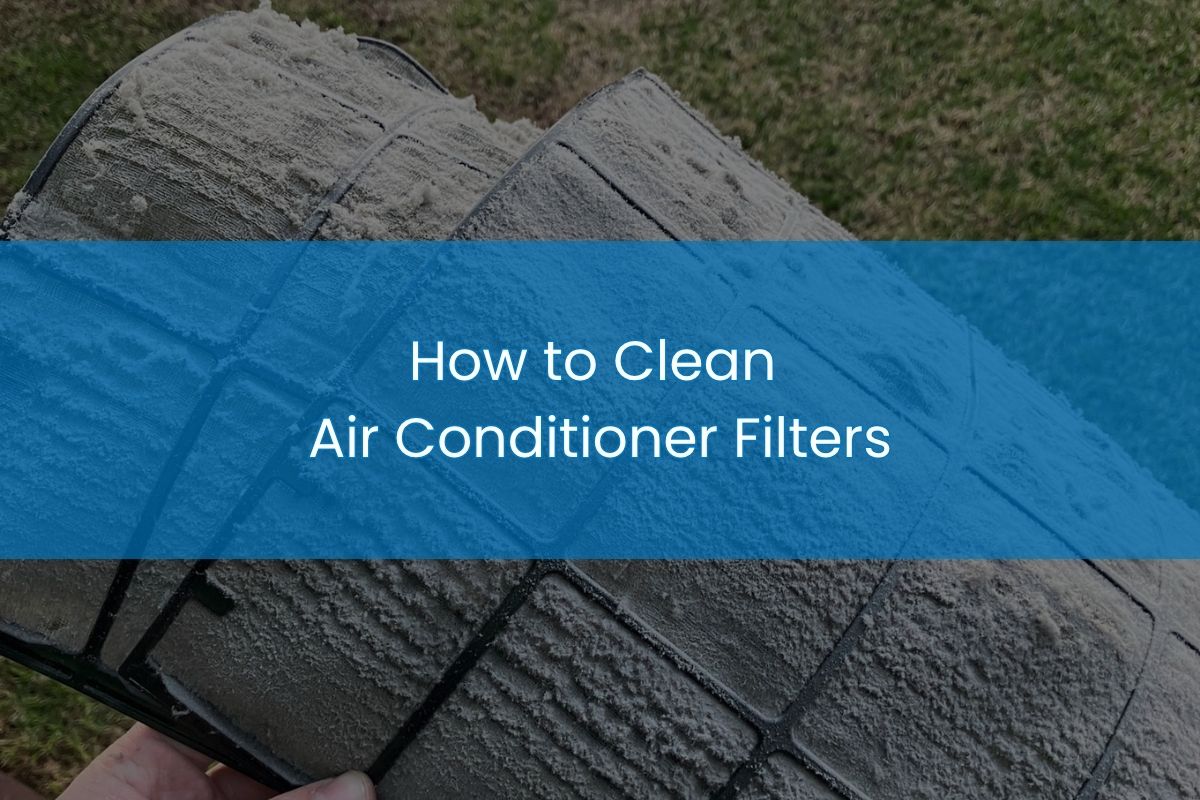
Cleaning your ducted air conditioning filter is a simple job, and the best way to do it is gently. The return air filter usually sits behind a grille in your ceiling or wall. Switch the system off, open the grille, and lift the filter out. Vacuum away the loose dust, then rinse it under cool water until the water runs clear. Let it dry fully, slot it back in, and you are done. A clean filter every one to three months keeps airflow strong between professional services.
Why is water leaking from my air conditioner vent?
Water leaking from a ceiling vent or duct usually points to a blocked or full condensate drain, or moisture building up in the ductwork. Your system pulls moisture from the air as it cools, and that water needs a clear path to drain away. When the drain clogs, water can back up and find its way to a vent. A service clears the condensate drain and checks the ductwork, so that moisture flows away cleanly. If you spot water now, book a service so it can be sorted before it reaches your ceiling.
What is the difference between a service and a repair?
A service is planned care. The technician cleans, checks and tunes your system so it keeps performing at its best. A ducted air conditioning repair fixes a fault once something has gone wrong, like a worn part or a system that has stopped heating or cooling. Regular servicing keeps your system healthy and often avoids the need for a repair down the track.
Do you service all ducted air conditioning brands?
Yes. The ExtrordinAir team services and maintains all major ducted air conditioning brands, including Daikin, Mitsubishi, Fujitsu, Samsung, LG, Panasonic, Toshiba, Rinnai, Braemar, Actron, and Bonaire. Whatever brand you run, your system gets the same thorough clean, check and test.
Does regular servicing keep my warranty valid?
In most cases, yes. Manufacturers commonly ask for proof of regular professional servicing as a condition of warranty cover. Keeping your yearly service record gives you a paper trail and protects your cover.
How long does a ducted air conditioner service take?
A standard ducted service usually takes one to two hours, depending on the size of the system and how it has been running. A VRF system takes longer, since the technician works through each indoor unit.
How often should I service ducted evaporative air conditioning?
Book an evaporative air conditioning service once a year. Some homeowners like to service and winterise their system at the same time, others prefer a spring service before cooling is needed. If you need new cooling pads, allow a few weeks for these to be ordered in.
My app is showing a fault code. What should I do?
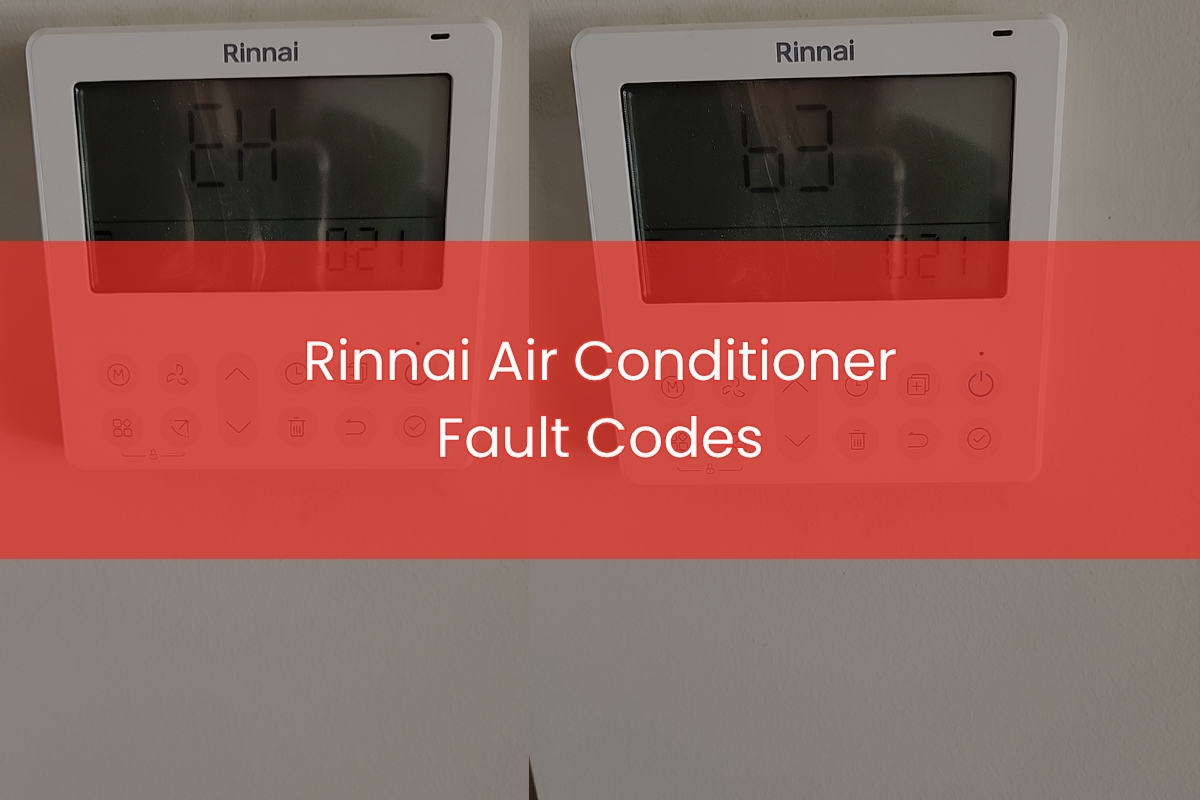
Note the exact code and what the system was doing at the time, then switch the system off at the controller. Some codes clear on a restart. Others point to a fault that needs a technician, like a sensor, a communication error, or a refrigerant issue. Have the code ready when you call, since it helps us bring the right parts and sort it in one visit.
Book a ducted air conditioning service in Melbourne today
Ready to book your ducted air conditioner service? The ExtrordinAir team keeps your system running at its best, season after season. Get in touch for a quote tailored to your home.