Why Is My Air Conditioner Not Blowing Cold Air?
If your air conditioner is running but the air coming out feels barely cool, it’s incredibly frustrating, especially on a 35°C summer day in Melbourne. The cause could be something as simple as dirty filters or blocked coils, or something more serious like a refrigerant leak, a fan fault, or a failed compressor. How urgent the problem is depends on the type of system you have and what’s going wrong inside it.
This guide walks you through the most common reasons your air conditioner isn’t blowing cold air, a few simple checks you can safely do yourself, and when it’s time to call a licensed technician for air conditioner repairs.
Most Melbourne homes run reverse cycle split systems or ducted refrigerated air conditioning, so the advice below covers both. Where the troubleshooting differs between system types, we’ve called that out.
Table of Contents
- A Quick Safety Note Before You Start
- Simple Checks to Do Before You Assume the Worst
- Reason 1: Dirty or Blocked Filters
- Reason 2: Dirty or Blocked Coils
- Reason 3: Refrigerant Leak or Low Gas
- Reason 4: Fan Problems (Indoor or Outdoor)
- Reason 5: Thermostat or Control Issues
- Reason 6: Ductwork Problems (Ducted Systems Only)
- Reason 7: A Failing or Failed Compressor
- Split System vs Ducted: Where the Troubleshooting Differs
- When to Call a Licensed Technician
- Melbourne Homeowners: Local Help When Your Aircon Isn’t Cooling
- Frequently Asked Questions
- Why is my air conditioner running but not blowing cold air?
- Can I fix my air conditioner not cooling by myself?
- Why does my split system blow cold air for a few minutes then stop?
- How much does it cost to fix an air conditioner that’s not cooling in Melbourne?
- Is it worth repairing a 15 year old air conditioner?
- Why is my ducted air conditioner only cooling some rooms?
A Quick Safety Note Before You Start
Air conditioners combine electricity, refrigerant gas and moving parts. External checks like cleaning a filter or resetting a breaker are fine to do yourself. But anything that involves opening the outdoor unit, touching wiring or terminals, working on refrigerant pipes, or handling gas must be done by a licensed refrigeration and air conditioning technician. In Victoria, this means someone holding a current ARCtick licence.
When in doubt, switch the system off at the isolator or switchboard and give our team a call on 1800 407 882.
Simple Checks to Do Before You Assume the Worst
Before calling anyone, work through these basics. They catch more problems than you’d think.
Reason 1: Dirty or Blocked Filters
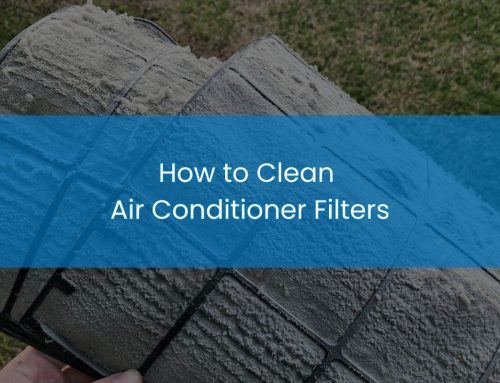
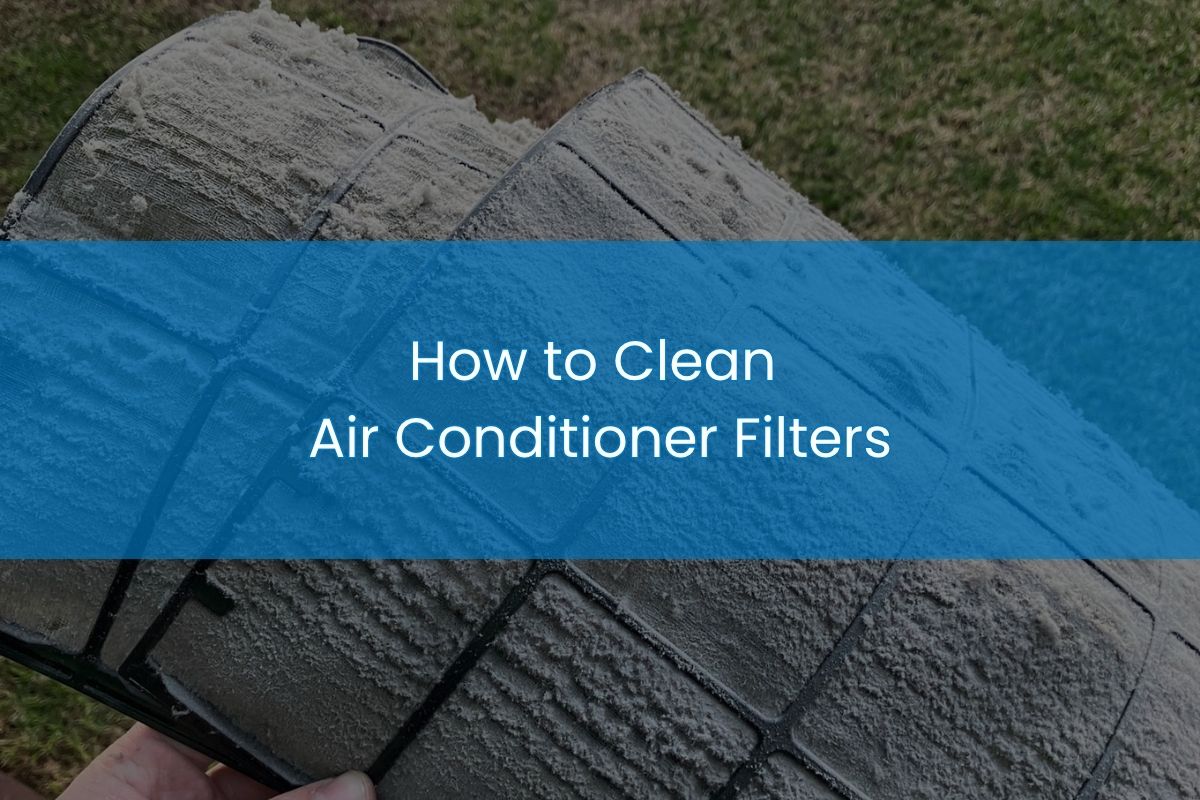
This is the number one cause of poor cooling in Melbourne homes, and it’s the easiest to fix yourself. Your indoor unit (split system) or return air grille (ducted system) has filters that trap dust, lint and pet hair. Over time they clog up, and when that happens, air can’t flow properly across the evaporator coil. The system still runs, but the air coming out feels weak and barely cool.
How to spot it: Weak airflow from the indoor unit or ceiling vents. Visible dust on the filter or grille. The unit used to cool well but has gradually gotten worse over weeks or months.
What you can do: Turn the unit off. For split systems, gently open the front cover of the indoor unit, slide the filters out, and clean them with a vacuum or a gentle rinse in warm soapy water. Let them dry completely before putting them back. For ducted systems, carefully remove the return air grille and filter, wash both in warm soapy water, and allow them to dry before reinstalling.
Melbourne homes with pets, carpeted bedrooms or nearby construction should be checking filters monthly. If you clean the filters and the system still doesn’t blow cold air, the problem is deeper inside the unit.

Reason 2: Dirty or Blocked Coils
Your air conditioner has two sets of coils. The indoor coil (evaporator) absorbs heat from your home. The outdoor coil (condenser) dumps that heat outside. When either coil gets coated in dust, dirt, pet hair or garden debris, the system’s ability to transfer heat drops significantly. You can read more about how the outdoor unit works in our air conditioner condenser guide.
How to spot it: The system runs for long periods but never reaches the set temperature. Ice forming on the indoor unit or copper pipes. Higher power bills than usual for similar weather. Outside, the unit may look matted with fluff, leaves or grass clippings rather than clean metallic fins.
What you can do: Clear leaves, debris and stored items from around the outdoor unit so air can flow freely on all sides. In Melbourne’s northwest suburbs, cottonwood fluff and elm seeds are notorious for clogging condenser fins through spring and early summer. Do not attempt high pressure cleaning or aggressive scrubbing yourself. Bending the fins or forcing water into electrical components makes the problem worse.
A technician can do a proper chemical coil clean to restore performance. Our standard air conditioning service includes coil inspection and cleaning from $200.
Reason 3: Refrigerant Leak or Low Gas
Refrigerant is the gas inside your system that carries heat from indoors to outdoors. If there’s a leak in the pipework, coils or connections, the system gradually loses gas and its cooling capacity drops.
How to spot it: Air feels cool at first but quickly turns warm as the system runs. The outdoor unit is operating but the indoor unit barely cools. Ice forming on the pipes or indoor coil. The system cooled well in previous summers but doesn’t now, even after cleaning the filters.
Why it matters in Melbourne: Reverse cycle systems in Melbourne work harder than cooling only units because they switch between heating and cooling across the seasons. This constant cycling of the reversing valve and pipework joints can contribute to slow leaks developing over time, particularly on older installations or where copper pipe joints were not perfectly brazed during the original install.
What needs to happen: Refrigerant leaks must be handled by a licensed technician. Under Australian law, it’s illegal for unlicensed people to handle refrigerants. Your technician will leak test the system, repair or replace the faulty section, pressure test, evacuate, and recharge with the correct weight of refrigerant (if possible). Read our guide to air conditioner refrigerants for more info on banned gases. On older units or badly corroded coils, repairing a leak can be involved, and it may make more financial sense to discuss replacement.
Reason 4: Fan Problems (Indoor or Outdoor)
Your air conditioner relies on fans to move air. The indoor fan pushes air over the cold evaporator coil and into your room. The outdoor fan pulls air across the hot condenser coil to release heat outside. If either fan isn’t working, the system can’t cool.
How to spot it: You hear the system humming but no air comes out indoors. The outdoor unit is running but the fan isn’t spinning or only spins slowly. Strange noises like grinding, squealing or rattling from either unit. The outdoor unit feels extremely hot to touch while running.
Common causes: Failed fan motor, faulty start or run capacitor, loose or cracked fan blades, or a fault on the control board. In Melbourne, outdoor fan motors can be exposed to UV rays, rain, and heat cycling that shortens their lifespan compared to milder climates.
Fan faults involve live electrical components and spinning parts. These are not DIY jobs. Give our team a call on 1800 296 885 and a licensed technician will attend.
Reason 5: Thermostat or Control Issues
Sometimes the air conditioner itself is fine, but the controller telling it what to do is faulty or misconfigured.
For split systems: The remote control sensor may be reading the room temperature incorrectly, the temperature sensor inside the indoor unit may be faulty, or there could be a control board issue. Some models display error codes on the indoor unit’s LED when a sensor fault is detected. Check your manual for what any flashing lights mean before calling a technician.
For ducted systems: The wall controller may not be reading the room temperature correctly. Zone dampers could be stuck closed, preventing cold air from reaching certain rooms. Communication faults between the controller and the outdoor unit can also cause the compressor to shut down early. If you have a zoning controller like iZone, AirTouch or MyAir, check the app or touchscreen to see if any zones are showing faults.
A technician can test sensors, controllers and control boards to confirm exactly what’s going on.
Reason 6: Ductwork Problems (Ducted Systems Only)
If you have ducted refrigerated air conditioning, the issue might not be the unit at all. It could be the ductwork in your roof space.
Common duct issues in Melbourne homes: Crushed or kinked flexible duct in the ceiling cavity. Ducts that have come loose from the plenum or ceiling outlets, so cold air blows straight into the roof space. Poorly insulated ductwork losing cooling capacity on 40°C days when the roof space hits 60°C or more. Leaky joints or damaged sections caused by age, possums, or someone stepping on them during other roof work. Our air conditioning ductwork guide covers these issues in detail.
How to spot it: One room gets almost no cool air while others are fine. Strong airflow from some vents and almost nothing from others. The roof space feels noticeably cool (because that’s where the cold air is going instead of into your rooms).
Many older Melbourne homes, particularly weatherboard and brick veneer houses in the inner north and west, have ductwork that was installed 15 to 20 years ago and hasn’t been inspected since. If you suspect duct issues, it’s worth getting someone into the roof space to take a look.

Reason 7: A Failing or Failed Compressor
The compressor is the heart of your air conditioner. It’s the component inside the outdoor unit that pressurises the refrigerant and drives the entire cooling cycle. If it’s failing, no amount of filter cleaning or thermostat adjustment will fix the problem. Our guide to air conditioning compressors explains how they work and what goes wrong in detail.
How to spot it: The outdoor unit hums, buzzes or clicks but doesn’t start properly. The circuit breaker trips when the system tries to start. The system runs but barely cools, even though filters are clean and refrigerant has been checked. You’ve already had multiple repairs on a unit that’s 12 to 15 years old.
The repair vs replace decision: A failed compressor is usually the most expensive repair on a residential air conditioner. Replacement costs range from $1,500 to $5,000 depending on the unit’s size, brand and accessibility. On an older system, this is often the point where we sit down with you and compare the cost of compressor replacement against the cost and benefits of a new, more efficient system.
Split System vs Ducted: Where the Troubleshooting Differs
Most of the causes above apply to both system types, but there are a few differences worth knowing.
| Issue | Split System | Ducted System |
|---|---|---|
| Filters | Behind the front cover of the indoor wall unit. Easy to access yourself. | Behind the return air grille, usually on a wall or ceiling. You may need a step ladder to access this. |
| Airflow issues | Usually isolated to one room. Check the fan speed and filter on that unit. | Can affect the whole house or just certain zones. Check zone settings, damper positions and ductwork. |
| Error codes | Displayed as flashing LEDs on the indoor unit. Check the manual for your brand. | Displayed on the wall controller or zoning touchscreen. May also show on the indoor unit in the roof. |
| Ductwork | N/A | A common source of cooling loss. Damaged, disconnected or uninsulated ducts in the roof cavity. |
| Sizing problems | The unit may be undersized for the room, common in open plan extensions. | The system may be undersized for the whole home, or zones may be poorly balanced. |
When to Call a Licensed Technician
Call a licensed air conditioning technician if:
- You’ve checked modes, filters and breakers and it’s still not cooling
- You can see ice on the pipes or coils
- You smell something burning, electrical or chemical
- The unit keeps tripping the power
- There are error codes or flashing lights you don’t understand
- The outdoor unit is making unusual noises
- You’re tempted to grab a screwdriver — you probably shouldn’t
A qualified technician will ask about the symptoms and your system type (split or ducted, brand, approximate age), inspect both the indoor and outdoor units, test refrigerant pressures, temperatures and electrical components, and explain what’s wrong before quoting any repair work.
Melbourne Homeowners: Local Help When Your Aircon Isn’t Cooling
ExtrordinAir are air conditioning specialists based in Airport West, servicing Melbourne’s inner north and west suburbs including Essendon, Brunswick, Moonee Ponds, Ascot Vale, Pascoe Vale, Keilor, and Tullamarine. We’ve been diagnosing and repairing air conditioning faults across Melbourne for over 25 years.
Whether you need split system repairs in Keilor East or your ducted system in Pascoe Vale South is only blowing room temperature air, we can help. Complete our contact form below and we will be in touch shortly.
Frequently Asked Questions
Why is my air conditioner running but not blowing cold air?
The most common cause is a dirty filter restricting airflow across the evaporator coil. Other possibilities include low refrigerant from a gas leak, a faulty compressor, dirty coils, or a thermostat issue. Start by cleaning the filter and checking the mode is set to cooling. If the problem persists, a licensed technician can diagnose the fault.
Can I fix my air conditioner not cooling by myself?
You can safely clean the filters, clear debris from around the outdoor unit, check the thermostat mode, and reset a tripped circuit breaker. Anything involving refrigerant, electrical components, or opening the sealed unit must be done by a licensed technician.
Why does my split system blow cold air for a few minutes then stop?
This often points to a refrigerant leak. As the gas level drops, the system can produce some cooling initially but loses capacity quickly. It can also be caused by a frozen evaporator coil (from a dirty filter or low gas) that blocks airflow once ice builds up. Turn the system off and call a technician.
How much does it cost to fix an air conditioner that’s not cooling in Melbourne?
It depends on the fault. A standard diagnostic callout with ExtrordinAir is $200 for split systems and $330 for ducted systems. A simple fix could be a few hundred dollars, a failed compressor can cost thousands, and a new installation is usually recommended.
Is it worth repairing a 15 year old air conditioner?
Split system air conditioners tend to have a life of 12-15 years and are usually not worth repairing once they reach this age.
Why is my ducted air conditioner only cooling some rooms?
This is usually a ductwork or zoning issue rather than a problem with the air conditioning unit itself. Common causes include a crushed or disconnected duct in the roof space, a stuck zone damper, or poorly balanced airflow. Check your zoning controller to make sure the affected rooms are switched on, then have a technician inspect the ductwork if the problem continues.