Best Ducted Air Conditioning Brands in Melbourne (And Why It Matters)
Melbourne’s climate keeps us on our toes. One week you’re dealing with a heat wave, the next you’re cranking up the heating. For homeowners who want year-round comfort, a reverse cycle ducted air conditioning system is one of the smartest investments you can make. Hidden neatly in your ceiling or roof space and delivering even airflow to every room, these systems can heat and cool your entire home while keeping noise levels to a whisper.
But not all ducted air conditioners are created equal. Choosing the right brand affects more than just how comfortable you feel. It influences your energy bills, indoor air quality, and how well your system handles Melbourne’s unpredictable temperature swings. Some models excel at efficient energy use and quiet operation, while others focus on Wi-Fi and smart-home technology.
And yes, there are brands we recommend you avoid altogether due to poor durability, higher running costs, or limited support in Australia.
In this guide, we’ll explore the best ducted air conditioning brands for Melbourne homes. We’ll also break down which brands are the most efficient, the quietest, the cheapest to run, and the best for small or smart systems – so you can choose the perfect match for your home, your budget, and your comfort all year round.
Table of Contents
- Types of Ducted Air Conditioning Systems
- The Best Ducted Air Conditioner Brands for Melbourne Homes in 2026
- Air Conditioning Brands in Australia That Didn’t Make The Cut (and why)
- What to Consider When Choosing a Ducted System
- Frequently Asked Questions
- What is the most efficient ducted air conditioner?
- What is the cheapest ducted air conditioner brand?
- Which ducted air conditioner is cheapest to run?
- What is the quietest ducted air conditioning brand?
- What is the best small ducted air conditioning system?
- What is the best smart ducted air conditioning system?
- How much does ducted air conditioning cost?
- The Perfect Ducted Air Conditioning for Your Home is Just a Phone Call Away
Types of Ducted Air Conditioning Systems
Before we compare brands, it’s important to understand the main types of ducted air conditioning systems available in Australia – and which ones are best suited to Melbourne’s climate.

Reverse Cycle Ducted Air Conditioning (Heating and Cooling in one system)
The most popular choice for Melbourne homes, a reverse cycle air conditioning installation provide both heating in winter and cooling in summer. Using a power inverter and a compressor connected to ductwork in your roof or ceiling space, these systems can deliver precise temperature control to every room in your home. With zoning, you can heat or cool specific areas, improving efficient energy use and saving money on running costs. This is the primary focus of our brand comparison in this article.

Evaporative Ducted Cooling
While evaporative cooling uses far less energy than refrigerated systems, it works best in dry climates, which means its performance in Melbourne’s humid summer days can be inconsistent.
If you’re exploring this option, read our post on evaporative cooling vs air conditioning for a detailed breakdown of how it works and the pros and cons for different climates.

Add-On Refrigerated Cooling for Ducted Gas Heating
If you already have a ducted gas heating system, you may be able to install an add-on refrigerated cooling unit that uses the same duct network. This can be a good transitional option if you’re not ready to switch to a full reverse cycle system. Learn more on our Add-On Cooling page for installation requirements and brand compatibility.
The Best Ducted Air Conditioner Brands for Melbourne Homes in 2026
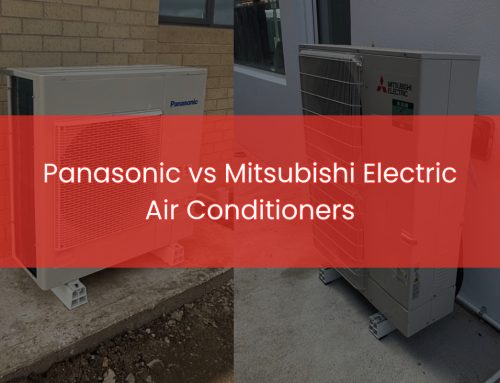
Panasonic

Panasonic consistently ranks among the top choices for ducted reverse cycle systems in Australia, with a reputation for combining cutting-edge technology, strong energy efficiency, and reliable operation in varied climates. The company’s ducted units use advanced inverter technology to maintain precise temperature control, reduce power consumption, and operate quietly, a major advantage for bedrooms or open-plan spaces.
Panasonic’s nanoe™ X air purification technology actively inhibits bacteria, allergens, mould, and even some odours, improving indoor air quality while the system is running.
For Melbourne homeowners, Panasonic offers one of the best balances between heating and cooling performance, excelling in both summer heat waves and winter cold snaps. Many models feature built-in Wi-Fi or are compatible with Panasonic’s Comfort Cloud app, allowing remote operation, scheduling, and zone control.
Energy star ratings are generally high, and zoning options can be customised to match different home layouts, from compact apartments to large family homes. While Panasonic systems are positioned at the premium end of the market, their efficiency and durability mean they can offer lower running costs and fewer repair issues over their lifespan.
NB: ExtrordinAir is also a premium Panasonic dealer, so this means we get the best pricing available in Melbourne for this brand. Take a look at our current offer on Panasonic ducted air conditioning here.
Mitsubishi Electric
Mitsubishi Electric is a trusted name in the HVAC industry, with ducted reverse cycle systems known for their refined design, reliability, and energy performance. Their inverter-driven compressors deliver smooth, efficient operation, reducing temperature fluctuations and running costs.
Mitsubishi Electric focuses heavily on quiet operation, making their systems particularly well-suited to noise-sensitive spaces like bedrooms or studies.
Smart control is another strong point, with Wi-Fi options and the ability to integrate with home automation systems. Zoning can be configured to match the home’s layout, and the systems perform consistently across Melbourne’s changing climate, from cold winter mornings to hot, humid summer afternoons.
Air filtration is effective for dust and allergen removal, although it is not as advanced as Panasonic’s nanoe™ technology. The primary trade-off is price. Mitsubishi Electric sits in the premium range. For homeowners prioritising quality build, quietness, and energy efficiency, it remains a top choice.
Daikin

Daikin is a global leader in air con widely regarded for its performance in demanding climates. Their ducted reverse cycle units are engineered for both comfort and health, incorporating advanced air filtration systems that capture fine dust, allergens, and bacteria.
Daikin’s inverter technology is highly efficient, adjusting the compressor and fan speed in real time to maintain even temperatures while minimising energy use.
For Melbourne, Daikin’s strength lies in its ability to handle rapid temperature swings without strain on the system. The brand also has a large service and parts network in Australia, ensuring easy maintenance and repairs. Wi-Fi control is available across many models, along with zoning options for targeted heating and cooling.
On the downside, Daikin units are generally more expensive upfront, and their performance advantage is most noticeable in larger homes or those with complex layouts. For homeowners who value proven reliability and industry-leading air quality features, Daikin is an excellent, albeit premium, brand in Australia.
Mitsubishi Heavy Industries (MHI)

Mitsubishi Heavy Industries (MHI) focuses on delivering robust, high-performance systems designed for longevity. Their ducted reverse cycle units are well-regarded for strong airflow, making them suitable for homes with larger open-plan living areas.
MHI uses inverter-driven compressors to improve efficiency and reduce operational noise compared to older models. However, some units can be slightly louder indoors than competitors.
Smart controls are available, including Wi-Fi compatibility and programmable timers, and zoning options allow better control over energy use. MHI systems perform well in extreme temperatures, making them a solid choice for Melbourne’s varied conditions.
Their air purification capabilities are less advanced than some competitors, and their design focus leans more toward durability than ultra-quiet operation or sleek aesthetics.
For households prioritising a strong, reliable system that can handle demanding conditions, MHI offers good value, especially in medium-to-large homes.
Fujitsu

Fujitsu is well-known for delivering reliable, budget-conscious HVAC solutions, and their ducted reverse cycle systems follow the same approach. Energy efficiency ratings are solid, and inverter technology helps reduce running costs while maintaining comfort. Fujitsu systems are generally easier on the budget than premium brands, making them appealing to homeowners looking for dependable performance without the highest price tag.
While not as advanced in air purification or smart-home features as brands like Panasonic, Fujitsu offers straightforward zoning, quiet operation, and a range of sizes suitable for both small and large homes. Performance in Melbourne’s climate is steady, though extreme heat waves may test their capacity in larger spaces.
For homeowners seeking a practical, reliable system at a competitive price, Fujitsu is a good mid-range option, though not the leader in cutting-edge technology or ultra-quiet design.
LG
LG brings a sleek, design-focused approach to ducted reverse cycle systems, pairing solid energy efficiency with modern user interfaces. Many models come with integrated Wi-Fi control, app compatibility, and programmable timers, making them attractive to homeowners who prioritise smart technology.
LG systems are capable performers in Melbourne’s seasonal shifts, though their track record for long-term reliability in Australian conditions is more mixed than brands like Panasonic or Mitsubishi Electric. Air purification features are decent but not as advanced as Panasonic or Daikin, and noise levels are competitive but not class-leading.
Brivis / Rinnai

Brivis, now part of Rinnai Australia, is best known for gas ducted heating systems but also offers a smaller range of ducted reverse cycle solutions. Their focus has traditionally been on heating, so the refrigerated cooling side is less developed than that of brands specialising in reverse cycle systems.
Brivis ducted reverse cycle systems are reliable for moderate use, with inverter-driven efficiency and zoning capabilities. Local support and spare parts availability are strong, given Brivis’s established dealer network in Melbourne. However, the range is limited compared to larger global brands, and advanced air purification or smart-control features are minimal.
For homeowners loyal to the Brivis brand or those transitioning from gas heating who want to stay with the same manufacturer, these systems can offer a familiar and locally supported option. For others, more specialised reverse cycle brands may offer greater efficiency and features for similar investment.
Bonaire

Bonaire is a well-established Australian brand best known for evaporative cooling, but it also offers a smaller range of ducted reverse cycle systems aimed at the mid-market. These units use inverter technology for better energy efficiency and quieter operation, with straightforward designs, zoning options, and in some models, Wi-Fi or smart thermostat integration.
They’re backed by an extensive local support network and solid spare parts availability, making them appealing for homeowners already familiar with Bonaire products.
However, compared to top-tier brands, they lack some of the advanced air purification, ultra-quiet compressor design, and premium build quality. Energy efficiency is respectable but not class-leading, so running costs may be slightly higher than the best performers. For Melbourne homes seeking a balance between upfront cost and reliability, Bonaire offers a dependable, locally supported option.
Actron Air

Actron is an Australian-owned manufacturer recognised for powerful ducted systems built to perform in extreme heat. Their ducted reverse cycle units feature high-capacity compressors, advanced zoning (including individual room control), and variable-speed inverter technology for greater efficiency and quieter operation. Some models include Wi-Fi controls, programmable timers, and home automation compatibility.
The brand excels in large homes or properties that require strong cooling during extended heat waves, with its Energy Smart Performance (ESP) zoning helping reduce running costs in big systems. While Actron systems are robust and well-engineered, they’re designed primarily for hotter climates, so efficiency gains in Melbourne’s milder conditions may be less pronounced.
They also tend to be physically larger and priced at the premium end, making them best suited to spacious homes or those with demanding cooling needs.
Air Conditioning Brands in Australia That Didn’t Make The Cut (and why)
TCL
Chinese electronics and appliance manufacturer. Known for budget-priced products, including TVs and small appliances, and offers low-cost ducted and split system air conditioners. TCL units are generally produced in China and aimed at value-conscious buyers, so if you’re looking for a cheap air conditioner, this could work. TCL isn’t very common in ducted reverse cycle air conditioning in Australian homes compared to established HVAC brands.
Gree
One of the world’s largest air conditioner manufacturers, based in Zhuhai, China. Gree produces a massive range of HVAC products, many of which are sold under other brand names worldwide. In Australia, Gree-branded ducted systems compete in the budget-to-mid range. They can offer good value upfront, but have more limited service networks compared to the premium brands like Daikin.
Carrier
An American-founded HVAC pioneer, now with manufacturing operations globally (including China and Southeast Asia). Carrier is a recognised name internationally, but in Australia, its ducted residential range is less common than in the US. Carrier products can be reliable, but are not as widely stocked or supported as Panasonic, Mitsubishi Electric, or Daikin in Melbourne’s domestic market. The team at ExtrordinAir have installed Carrier air conditioning in the past and also regularly services this brand.
Samsung
South Korean electronics giant producing everything from smartphones to appliances, including air conditioning systems. Samsung’s ducted reverse cycle units offer sleek controls and strong smart-home integration. However, they’re less established in the Australian ducted market, and feedback on long-term durability in local conditions is mixed compared to the top brands.
Hitachi
Japanese engineering and manufacturing company with a long HVAC history. Hitachi ducted systems are generally reliable and efficient, but in Australia their residential ducted presence is limited, and parts/service networks are smaller than those for Panasonic or Mitsubishi brands.
Midea
Chinese appliance giant producing a huge range of air conditioners, both under its own brand and for other labels. Midea products are priced competitively and can be found in the budget category for ducted systems. In Australia, they’re less common in established residential installations, and service support can vary.
Haier
Chinese multinational appliance brand, also the parent company of Fisher & Paykel. Haier offers low-to-mid priced ducted reverse cycle units, but like Midea and TCL, they are not widely used in Melbourne’s premium residential market. Service and spare parts access can be inconsistent compared to leading brands.
Pioneer
Primarily a US market HVAC and refrigeration brand, often sourcing units from Chinese manufacturers. In Australia, Pioneer-branded ducted systems are rare in residential use and not widely distributed or supported.
What to Consider When Choosing a Ducted System
The best air conditioning unit isn’t the same for every Melbourne home. Your choice will depend on your home’s layout, budget, comfort expectations, and how you want to manage running costs over the next decade.
Energy efficiency and running costs are often top priorities, especially if you’re searching for the most efficient model or the cheapest in terms of running costs.
Brands that use advanced power inverter technology, have high energy star ratings, and offer zoning controls can cost more upfront but will save money each year through lower energy bills. Our blog post on the costs of running ducted air conditioning covers this further.
The cheapest ducted air conditioner brand in terms of purchase price isn’t always the best value long-term. While some budget brands or certain imported models may be attractive in price, they can be less efficient to run or more expensive to repair, so it’s important to balance the initial outlay with projected running costs and reliability.
Noise is another factor to consider, particularly if vents are near bedrooms or living areas where low noise is important. If you’re looking for the quietest ducted air conditioning brand, focus on units with insulated ductwork, quiet fan motors, and low-decibel compressor designs.
System size and capacity also matter; compact homes, apartments, and townhouses often benefit from small ducted air conditioning systems with lower capacity but high efficiency, while larger homes need more powerful systems with multiple zones to deliver consistent airflow to every room.
For those seeking smart features, look for built-in Wi-Fi, app-based control, timer settings, and integration with home automation. As technology improves, this is becoming more common across most brands.
Air quality is another consideration, particularly for households concerned about allergens, bacteria, or air pollution. In these cases, choose systems with advanced filtration, anti-bacterial coatings, and multi-stage air purification. Panasonic and Daikin are the leaders here.
Installation and Design Considerations
The performance of a ducted air conditioner depends as much on the installation as on the brand you choose.
Correct sizing is critical; an undersized unit will struggle to heat or cool your home, while an oversized system can short-cycle and waste energy.
Our ducted air conditioning installers will check the roof cavity space, ceiling vent placement, and your home’s construction to ensure ductwork can be run efficiently without performance loss.
We even check insulation, including factors such as your home’s orientation, overhead trees, and shadowing buildings, to bring you the right cooling and heating system for your home. This is something we do upfront, as well as applying and VEU rebates you may be eligible for, so there are no surprises on installation day.
Maintenance for Efficiency and Longevity
Regular maintenance keeps your ducted system running efficiently and extends its lifespan. Clean or replace filters every few months to prevent dust and allergen build-up that can affect air quality and airflow. Schedule annual professional servicing to check the compressor, condenser, fan, and ductwork for wear, leaks, or blockages.
Use zoning, timers, and Wi-Fi controls to avoid unnecessary operation, and keep outdoor units clear of debris for optimal airflow. These simple steps help maintain performance, reduce energy bills, and prevent costly repairs.
Frequently Asked Questions
What is the most efficient ducted air conditioner?
Panasonic, Mitsubishi Electric, and Daikin consistently rank among the most efficient, thanks to advanced inverter technology, high energy star ratings, and effective zoning.
What is the cheapest ducted air conditioner brand?
Fujitsu often offers the lowest upfront cost, with some TCL and Gree models also in the budget range, though they may have higher running costs.
Which ducted air conditioner is cheapest to run?
Panasonic and Mitsubishi Electric have some of the lowest running costs due to their high efficiency and advanced zoning controls.
What is the quietest ducted air conditioning brand?
Panasonic, Mitsubishi Electric, and Daikin produce some of the quietest systems, with insulated ducting and low-decibel compressors.
What is the best small ducted air conditioning system?
Panasonic’s compact ducted range and Fujitsu’s smaller capacity models work well for apartments and townhouses.
What is the best smart ducted air conditioning system?
Panasonic, LG, and Mitsubishi Electric lead in smart technology, offering built-in Wi-Fi, app control, and integration with home automation systems.
How much does ducted air conditioning cost?
In Melbourne, a new ducted reverse-cycle air conditioner costs between $8,000 and $15,000 for a single-storey home, depending on the brand, capacity, zoning, and installation complexity. Larger homes, two-storey properties, or premium systems with advanced features can exceed $20,000. ExtrordinAir currently offers a large 18 kW Panasonic ducted air conditioning system for just $83 per week, including three free services.

20 Years
Experience

Professional
and Licensed

24 Hour
response time

Parts and labour
Guaranteed

Residential
& Commercial

Service
Melbourne Wide

No hidden
Cost

Clean Installation
Service