Ducted Air Conditioning vs Split System: Which is Right for Your Melbourne Home?
You’re standing in your warm Northcote weatherboard or your stuffy Fitzroy terrace on a 35-degree January afternoon, finally ready to invest in air conditioning. But here’s where the decision gets tricky: ducted air conditioning or split systems? Both will cool your home, both use the same refrigeration technology, but they work quite differently. How do you choose?
Let’s break down the ducted vs split system debate with practical, honest comparisons that matter to Melbourne homeowners.
Table of Contents
- Ducted Air Conditioning vs Split Systems – A Brief Comparison
- The Cost of Ducted Air Conditioning vs Split Systems
- Ducted Air Conditioning vs Split System Running Costs
- The Practicalities of Split Systems vs Ducted Air Conditioning
- A Comparison of Installation Requirements and Home Suitability
- Aesthetics and Property Value
- Air Conditioning Maintenance and Servicing
- Energy Efficiency: Making Every Watt Count
- When to Choose Split Systems
- When to Choose Ducted Systems
- Have We Helped You Decide Between Ducted Air Conditioning or Split Systems?
Ducted Air Conditioning vs Split Systems – A Brief Comparison
Before we compare, let’s quickly clarify what we’re talking about.
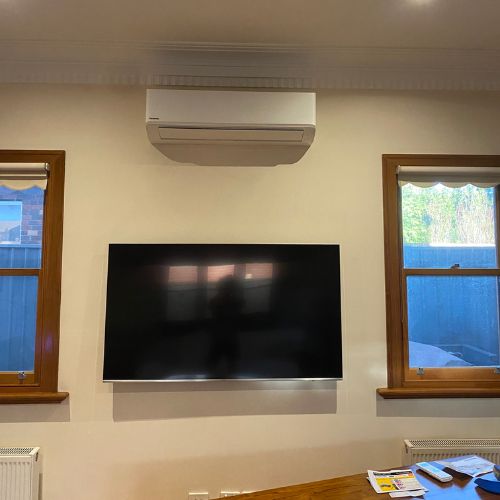
Split system air conditioners consist of two units: an outdoor compressor and an indoor wall-mounted unit. They’re designed to cool or heat individual rooms or open-plan areas. Most Melbourne homes have at least one split system, and many homeowners install multiple units throughout their home to cover different areas.
Ducted air conditioning uses a central indoor unit (usually hidden in your roof space) connected to a larger outdoor unit. A network of ducts distribute air throughout your home via ceiling (or sometimes under floor) vents. It’s a whole-home solution, usually with at least two zones, that provides climate control from a single wall mounted controller.
Both use refrigerated air conditioning technology (as opposed to evaporative cooling), providing both heating and cooling from the one system. Sometimes the terminology is used interchangeably. One person might say reverse cycle air conditioning, the other might refer to central heating and cooling, or there’s the common ducted air conditioning.
Here are the main differences to consider when comparing ducted air conditioning vs a split system installation:
The Cost of Ducted Air Conditioning vs Split Systems
This is where most homeowners start their comparison, and there’s a significant difference.
Split System Costs
A quality single split system suitable for a bedroom or living area (2.5-3.5kW) typically costs $2,500-$3,500 fully installed. For a standard three-bedroom Melbourne home, installing separate split systems in the living room and three bedrooms could cost up to $12,000 in total.
NB: If you are looking at installing multiple split systems, read our post on multi-head split systems vs ducted air conditioning for a better comparison.
Ducted System Costs
A ducted air conditioning system for the same three-bedroom home usually ranges from $10,000-$15,000+ fully installed, depending on the system’s capacity, number of zones and outlets, and installation complexity.
Homes with difficult roof access or requiring extensive ductwork modifications cost more. There are also feature upgrades such as touchscreen wall controllers, and WiFi connectivity to control your aircon from your smartphone.
Premium brands with Japanese engineering (like Panasonic, Daikin, and Mitsubishi) cost more than Chinese manufactured brands like Hisense.
The calculation isn’t straightforward though. If you’re planning whole-home coverage, compare the cost of 4-5 split systems (which would be needed for comprehensive coverage) against one ducted system. The gap narrows considerably when you look at it this way.
And like we mentioned above, you can now install multi-head split systems, where you can run up to 5 indoor units off one single outdoor unit.
For Melbourne’s inner suburbs with period homes, installation costs can vary based on things like ceiling height, roof access, heritage overlays, and existing infrastructure. Adding ducted air conditioning to a Brunswick Californian bungalow with excellent roof space might have lower installation costs than a Carlton terrace with limited ceiling access. This is where choosing a multi split might be a better option.
Ducted Air Conditioning vs Split System Running Costs
Running costs matter just as much as upfront investment, after all, there’s no point installing air conditioning in your Melbourne home then not being able to afford to run it.
Split System Running Costs
A 2.5kW split system draws approximately 0.7 to 0.8kW of power when operating. At Melbourne’s current electricity rates (25 to 35 cents per kWh), that’s roughly 25 cents per hour. Running one system for 4 hours daily through summer costs around $75 to $90 for the season. This is on top of any other electricity use you have in your home.
However, if you’re running multiple split systems simultaneously to cool your whole home, the costs multiply. Four split systems running concurrently could cost $300 to $360 per summer season.
That’s only if you’re disciplined about not running all four at once, and choosing a reasonable air conditioning temperature that won’t blog your electricity budget.
Ducted System Running Costs
A mid-sized ducted system (16kW capacity) with 5-7kW power input costs approximately $1.50 to $2.50 per hour to run. Running it 6 hours daily through summer could cost $800 to $1,350 for the season, assuming you cooled your entire home.
But here’s the key advantage of ducted systems: zoning.
Quality ducted systems let you divide your home into 2-6+ zones and control which ones operate simultaneously. If you’re only cooling the bedrooms at night, you’re only running a portion of the system. Smart zoning can reduce running costs by 30-50% compared to running the entire system.
The verdict on running costs:
- A single split system is cheapest if you’re cooling just one room.
- Multiple split systems running simultaneously can cost more than a zoned ducted system.
- Ducted systems offer better cost control through zoning for whole-home use.
For Melbourne’s moderate climate, neither system will cost as much to run as they would in other parts of the country. Our relatively mild conditions work in your favour regardless of which system you choose.
The Practicalities of Split Systems vs Ducted Air Conditioning
With split systems, each unit cools or heats only the room where it’s installed (or an open-plan area connected to that room). To cool your whole home, you need multiple units. This means:
- Different rooms reach different temperatures
- You need to manage multiple remote controls
- Hallways and transitional spaces often remain unconditioned
- Cool air doesn’t circulate between rooms effectively
With ducted air conditioning, consistent temperatures can be achieved throughout your entire home. Every room with a vent receives conditioned air. Hallways, bathrooms, and transitional spaces all benefit from climate control. The whole-home approach means:
- Consistent temperature as you move through your home
- Single thermostat control
- No hot or cold spots
- Better air circulation throughout the house
Premium brands of ducted air conditioners are also getting smarter, where you can set different temperatures for different zones. Thermostat controls can also sense when people enter and exit rooms and adjust airflow accordingly.

A Comparison of Installation Requirements and Home Suitability
Your home’s construction significantly influences which system works best.
Split System Installation: Relatively straightforward and less invasive. Requirements include:
- A suitable external wall for mounting the indoor unit
- A location for the outdoor unit (ground level or wall bracket)
- A pathway for refrigerant lines (usually through the wall)
- Adequate power supply
Split systems work in virtually any home, including apartments, units, and homes where roof access is limited or impossible. Installation typically takes 4-6 hours per unit and causes minimal disruption.
Ducted System Installation: More complex and requires:
- Adequate ceiling/roof cavity space for ductwork and the indoor unit
- Structural assessment to ensure ceiling framing can support the indoor unit
- Sufficient ceiling height (typically minimum 2.4m)
- Location for the outdoor unit
- Potentially bulkheads if insufficient ceiling space exists
Many of Melbourne’s inner-north homes have excellent pitched roofs with ample ceiling space, making ducted installation straightforward. However, some terraces, or homes with limited ceiling access, can be challenging or require creative solutions like bulkheads.
Two-storey homes require additional consideration for ducted systems, with ductwork running through bulkheads or walls to service the ground floor. Multiple split systems might be simpler in some two-storey configurations.
Aesthetics and Property Value
For Melbourne’s character-filled suburbs, aesthetics matter.
Split Systems: The indoor wall-mounted units are visible in each room. While modern units are sleeker than older models, they’re still noticeable. This can be a concern in:
- Period homes with character features you want to preserve
- Homes with heritage overlays
- Properties being prepared for sale where every detail counts
That said, split systems are common in Melbourne that most buyers expect them, and quality units don’t negatively impact property value.
Ducted Systems: Nearly invisible. You’ll only see subtle ceiling vents in each room and the outdoor unit. The discreet appearance is particularly appealing in:
- Heritage homes where maintaining period aesthetics is important
- High-end renovations
- Properties where entertainment spaces need clean, uncluttered walls
Real estate agents consistently report that ducted air conditioning adds more perceived value than split systems. While exact figures vary, ducted systems can add $10,000+ to property value in Melbourne’s inner suburbs, potentially recouping a significant portion of installation costs. Always seek advice from your real estate agent or licensed valuer specific to your home.
Air Conditioning Maintenance and Servicing
Both systems require regular maintenance, but the scope differs.
Split System Maintenance:
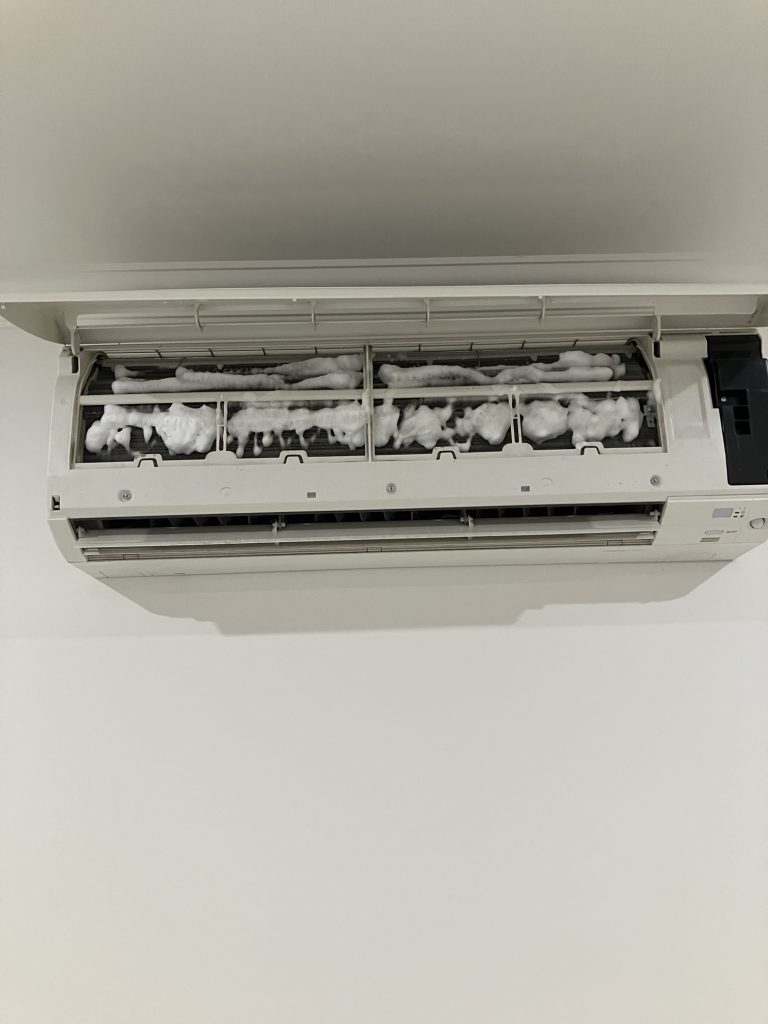
- Monthly filter cleaning (simple DIY task)
- Annual split system service per unit ($220 each)
- Individual units can be serviced or replaced independently
- Expected lifespan: 15-20 years per unit
The advantage: if one split system fails, the others keep working. The disadvantage: you need multiple service visits if you have multiple units, multiplying service costs.
Ducted System Maintenance:
- Monthly filter cleaning at the return air grille
- Annual professional service (approx $330 for the whole system)
- Occasional duct cleaning (every 5-7 years)
- Expected lifespan: 15-20 years
The advantage: one service visit covers your entire system. The disadvantage: if the central unit fails, your whole-home heating or cooling stops. A quality system with proper maintenance rarely experiences major failures.
Energy Efficiency: Making Every Watt Count
Modern systems of both types use inverter technology and achieve impressive energy efficiency.
Split Systems: Highly efficient for targeted cooling or heating. A quality 5-star split system offers excellent performance per kilowatt. Since you’re only conditioning the space you’re using, waste is minimal.
Ducted Systems: Potentially less efficient when cooling the whole home, but zoning capabilities level the playing field. Modern zoned ducted systems with smart controls can match or exceed split system efficiency by conditioning only occupied areas.
The wild card for Melbourne homes is insulation. Regardless of which system you choose, poor ceiling insulation (common in pre-1990s homes) dramatically increases running costs. Upgrading to R4.0-R6.0 ceiling batts can reduce cooling and heating costs by 45-55% for either system type.
When to Choose Split Systems
Split systems make the most sense for Melbourne homeowners when:
Budget is Tight: Split systems offer excellent value if you need to cool 1-2 rooms and can add more units later as budget allows.
Not Long-Term: If you don’t plan to stay in your home long-term, the lower investment makes sense.
Apartments or Units: Where ducted installation isn’t possible due to building restrictions or lack of roof access.
Targeted Cooling Needs: If you genuinely only use 1-2 rooms (like a bedroom and living room) and don’t need whole-home coverage.
Challenging Installation Context: Homes where ducted installation is prohibitively expensive due to structural challenges.
Renovation Staging: Installing split systems room-by-room as you renovate allows you to spread costs and match system installation with renovation progress.
When to Choose Ducted Systems
Ducted systems make the most sense when:
Whole-Home Comfort Matters: You want consistent temperatures throughout your home, have large living spaces to heat or cool, or prefer a quieter and more discreet option.
Long-Term Investment: You’re planning to stay in your home for many years or ducted air conditioning aligns with your property value goals.
Aesthetic Requirements: You have a period home or high-end renovation where visible wall units would compromise the interior design.
Large Families: Multiple people using different rooms simultaneously benefit from whole-home coverage without managing multiple systems.
Good Roof Space: Your home has adequate ceiling cavity space, making ducted installation straightforward and cost-effective.
Zoning Capability: You can take advantage of zones to control costs while maintaining whole-home coverage.
Have We Helped You Decide Between Ducted Air Conditioning or Split Systems?
For most Melbourne homeowners in the inner suburbs with family homes and adequate ceiling space, ducted air conditioning offers the best long-term value, comfort, and property value uplift. If you’re replacing ducted gas heating there are also generous VEU rebates on offer up to $5,530.
However, split systems remain an excellent choice for budget-conscious buyers, apartments, or those with targeted cooling needs.
Whichever system you choose, consult with our experienced Melbourne HVAC specialists who understand local homes, council requirements, and can assess your suitability for each option. The right choice depends not on which system is “better” overall, but which system is better for your home, budget, and lifestyle.