Understanding Your Home Air Conditioner Compressor
Imagine a sweltering summer day, the kind where the air feels thick and heavy. You step inside your home or car, flick a switch, and instantly a wave of cool, refreshing air envelops you. It’s pure bliss, isn’t it? This everyday miracle of modern comfort often goes unnoticed, but behind the scenes, a critical component is working tirelessly to make it happen. We’re talking about the air conditioning compressor, the true heart of your cooling system.
Often overlooked and little understood, the AC compressor is responsible for orchestrating the entire cooling process. Without this hardworking device, your air conditioner would be nothing more than a fan blowing warm air.
In this comprehensive guide, we’ll demystify your home ac compressor, explain how it works, why it’s so vital, and how you can ensure it keeps you comfortable for years to come. Get ready to understand the unsung hero that brings relief on even the hottest days.
Table of Contents
- What Does an AC Compressor Do and How Does It Work?
- The Different Types of Residential AC Compressors
- Red Flags: Signs of a Failing Home Air Conditioning Compressor
- How to Keep Your AC Running Smoothly
- When Professional Help is Essential
- Frequently Asked Questions About AC Compressors
- What is the average lifespan of an AC compressor in Melbourne?
- Can I replace an AC compressor myself?
- Why is my AC compressor making a loud noise?
- What causes an AC compressor to fail prematurely?
- How much does it cost to replace an AC compressor in Melbourne?
- How much does an air conditioner service cost in Melbourne?
- The Compressor is Key to Lasting Comfort
What Does an AC Compressor Do and How Does It Work?
At its core, an air conditioning compressor acts as the power pump within your cooling system, driving the refrigerant through a closed loop. Think of it as the engine of your air conditioner. Its primary job is to take low-pressure, low-temperature refrigerant gas from the evaporator coil, compress it, and then discharge it as high-pressure, high-temperature gas to the condenser coil. This transformation is fundamental to the entire refrigeration cycle.
How Refrigerated Air Conditioning Works
The journey of refrigerant begins as a cool, low-pressure gas in the evaporator. As warm indoor air passes over the evaporator coil, the refrigerant absorbs heat, effectively cooling your living space.
This warmed, gaseous refrigerant then travels to the compressor. The compressor dramatically increases the pressure and temperature of this gas. Once compressed, the hot, high-pressure gas moves to the condenser coil, typically located outside your home.
Here, the refrigerant releases its absorbed heat into the cooler outdoor air, transforming back into a high-pressure liquid. This liquid then flows through an expansion valve, where its pressure drops significantly, causing it to cool down rapidly. Finally, the now cool, low-pressure liquid returns to the evaporator, ready to absorb more heat and restart the cycle, continuously cooling your indoor environment.

The Mechanics Behind the Magic
The magic of compression lies in the principles of physics. When a gas is compressed into a smaller volume, its molecules are forced closer together. This increased density leads to a rise in both pressure and temperature.
The AC compressor leverages this principle to change the state and properties of the refrigerant. By pressurising the refrigerant, the compressor enables it to release heat efficiently to the outdoors, even when the outside air is warm.
Without this critical step, the refrigerant would remain a low-pressure gas, unable to effectively transfer heat out of your home. This continuous cycle of compression, condensation, expansion, and evaporation is what provides the consistent, comfortable cooling you rely on. The reliability of this process is entirely dependent on a functioning air conditioning compressor.
The Different Types of Residential AC Compressors
While all AC compressors perform the same fundamental task, they achieve it through various mechanical designs. Understanding these differences can shed light on the efficiency and longevity of your cooling system. Each type has its own advantages in terms of performance, noise levels, and durability, impacting the overall comfort and cost of operating your unit.
From Pistons to Scrolls: A Look at Mechanics
Historically, reciprocating compressors, or piston compressors, were the most common type. These work much like an internal combustion engine, using a piston that moves within a cylinder to compress the refrigerant gas. While robust, they can be less energy-efficient and noisier compared to newer designs. Their start-up can also cause a slight jolt to the system.
More prevalent today are scroll compressors, which use two interleaved spiral-shaped scrolls ( one stationary and one orbiting) to compress the refrigerant. As the orbiting scroll moves, it traps and compresses gas pockets, pushing them toward the centre for discharge. Scroll compressors are renowned for their quieter operation, higher efficiency, and greater reliability due to fewer moving parts. They offer a smoother start-up and can handle liquid refrigerant more gracefully than piston types.
Scroll compressors represent the gold standard for many inverter air conditioners, especially those focused on energy savings and quiet, reliable performance.
Sealed vs. Serviceable: The Different Compressor Designs
When considering the design of AC compressors, you’ll encounter two primary categories: hermetic (sealed) and semi-hermetic (serviceable).
Most modern residential inverter air conditioners feature hermetic compressors. These units are completely sealed, meaning the motor and compressor are housed within a single, welded steel casing. This design prevents refrigerant leaks and external contamination, contributing to their longevity and reliability.
However, the sealed nature also means that if a hermetic compressor fails, it cannot be repaired internally; the entire unit must be replaced.
Semi-hermetic compressors, on the other hand, are designed with bolted casings, allowing technicians to access and service internal components like the motor or valves. While more common in larger commercial or industrial systems, their design offers repairability at the unit level, though they are generally larger and more complex.
For residential air conditioning, the efficiency and compact nature of sealed units usually make them the preferred choice.
Red Flags: Signs of a Failing Home Air Conditioning Compressor
Recognising the signs of a struggling compressor can save you from a complete system breakdown and potentially costly repairs.
- One of the most obvious indicators is a lack of cool air. If your AC is running but only blowing warm or lukewarm air, the compressor might not be effectively pressurising the refrigerant.
- Another common sign is unusual noises coming from your outdoor AC unit. These could include grinding, squealing, buzzing, or clicking sounds, especially when the unit starts up. These noises often indicate internal mechanical issues within the compressor.
- If your circuit breaker frequently trips when the AC turns on, it could be a sign that the compressor is drawing too much power due to a malfunction.
- Reduced airflow or a unit that cycles on and off too frequently (short-cycling) can also point to compressor problems. Addressing these symptoms early can prevent more extensive damage.
How to Keep Your AC Running Smoothly
Regular maintenance is crucial for your compressor’s health. Start by ensuring the outdoor unit (condenser) is clean and free of debris. Leaves, dirt, and grass clippings can accumulate on the coils, reducing heat dissipation and forcing the compressor to work harder.
Annually, gently rinse the coils with a garden hose. The coils are the closely spaced metal fins on the sides of the outdoor unit, which release heat removed from your home. Furthermore, ensure there’s at least two feet of clear space around the outdoor unit for proper airflow.
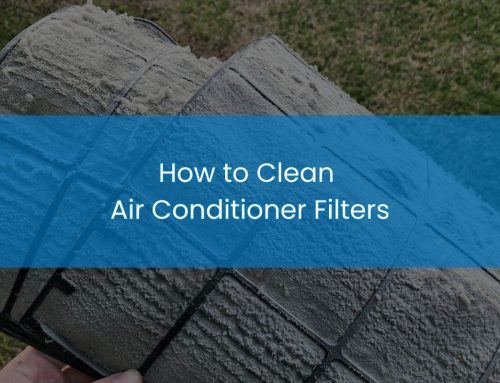
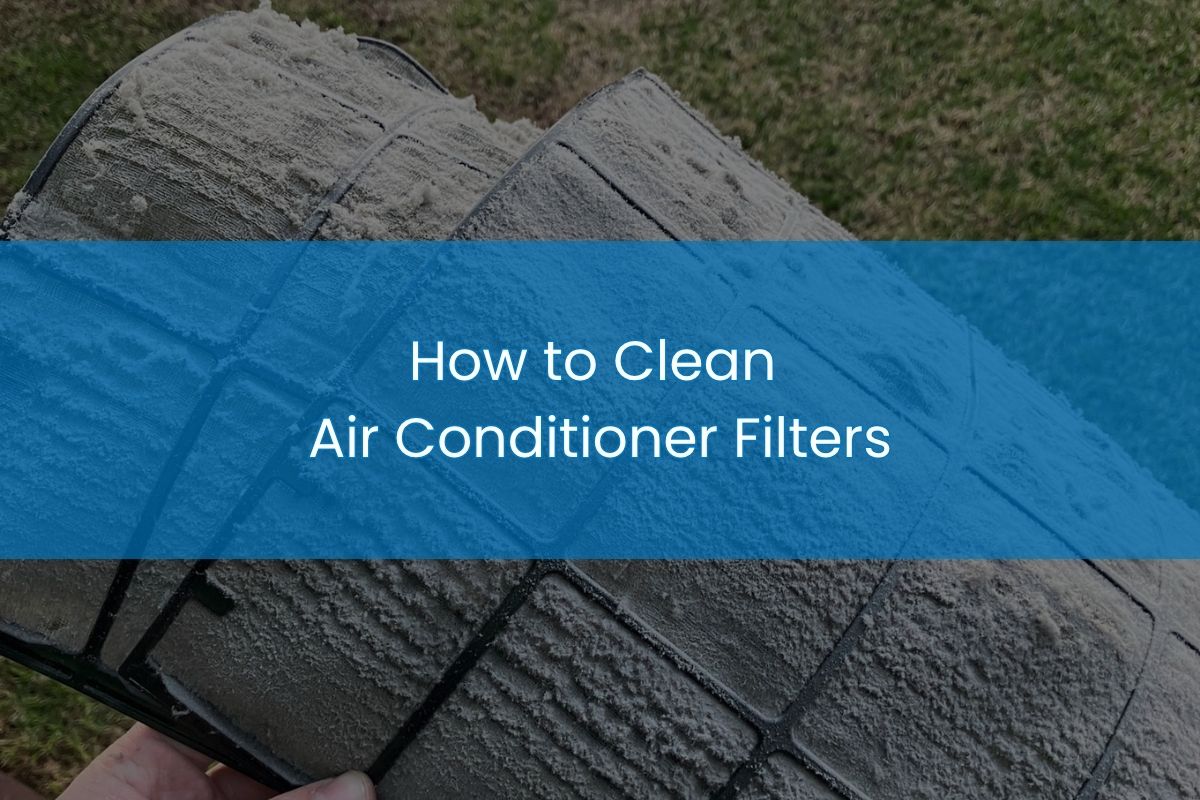
Another vital step is regularly replacing or cleaning your air conditioner filters. A dirty filter restricts airflow to the evaporator coil, which can cause the refrigerant to not fully evaporate, sending liquid refrigerant back to the compressor (a condition known as liquid slugging) which can severely damage it.
Consider a professional aircon service each spring. A technician can check refrigerant levels, inspect electrical connections, and lubricate moving parts, all of which contribute to the compressor’s performance and longevity.

When Professional Help is Essential
While basic maintenance can be handled by homeowners, certain issues demand the expertise of a certified HVAC technician. If you notice any of the “red flags” mentioned earlier (strange noises, warm air, or frequent tripping of the circuit breaker) it’s time to call a professional.
Issues like low refrigerant levels are not just about adding more; they indicate a leak somewhere in the system. A failing compressor often requires specialised tools and knowledge (along with a refrigeration license) to diagnose and replace. Attempting complex repairs yourself can be dangerous and may void your system’s warranty.
At ExtrordinAir, we can accurately diagnose the root cause of the problem, whether it’s a capacitor issue, a faulty relay, or an internal compressor failure, ensuring the correct and safest solution is implemented. Investing in professional service can prevent minor problems from escalating into major expenses.
Frequently Asked Questions About AC Compressors
What is the average lifespan of an AC compressor in Melbourne?
An AC compressor can last anywhere from 10 to 15 years, and sometimes even longer. Regular servicing, environmental conditions, and the quality of the unit itself play a big role in its longevity.
Can I replace an AC compressor myself?
Replacing an AC compressor is a complex task that typically requires specialised tools, knowledge of refrigerant handling, and electrical equipment. We highly recommend contacting the team at ExtrordinAir to ensure safety and proper installation.
Why is my AC compressor making a loud noise?
Loud noises from an AC compressor can indicate various problems, such as worn bearings, a failing motor, loose parts, or even issues with the refrigerant charge. Squealing, grinding, or rattling sounds are often red flags that suggest an internal mechanical problem requiring immediate professional inspection to prevent further damage.
What causes an AC compressor to fail prematurely?
Premature failure of an AC compressor can be from insufficient refrigerant (due to leaks), electrical problems (like faulty capacitors or relays), dirty coils leading to overheating, lack of proper lubrication, and operating the unit in extreme temperatures. Regular maintenance helps prevent many of these issues.
How much does it cost to replace an AC compressor in Melbourne?
The cost to replace an AC compressor ranges from $1,500 to $5,000 or more depending on the size of your air conditioner, the make and model, and whether we can reuse any existing components. Please reach out to us for a free quote.
How much does an air conditioner service cost in Melbourne?
An air conditioner service costs $200 for a standard split system aircon with ExtrordinAir. We will check your compressor, test for refrigerant leaks, clean your air conditioner filters, and more.
The Compressor is Key to Lasting Comfort
The air conditioning compressor, though often out of sight and out of mind, is undeniably the most vital component of your cooling system. It’s the engine that powers the entire heat exchange process, transforming warm, stale air into the refreshing coolness we all crave on a hot day.
Understanding its function, recognising the signs of potential trouble, and committing to regular maintenance are key steps in ensuring its longevity and your continuous comfort. From the intricate dance of pistons and scrolls to the critical balance of refrigerant, the compressor operates under significant pressure and relies on a well-maintained system to perform efficiently. By staying informed and proactive, you can extend the life of your AC unit, prevent breakdowns, and enjoy consistent, reliable cooling.
Remember, a small investment in preventative care can save you significant time, money, and discomfort down the line. Don’t wait for your AC system to stop blowing cold air before paying attention to its needs. If you suspect any issues with your compressor or simply want to ensure your system is in top shape, schedule a professional inspection and tune-up today with our team at ExtrordinAir.
An expert technician can diagnose potential problems, perform essential maintenance, and give you peace of mind, allowing you to relax and truly enjoy the cool comfort your air conditioning compressor works so hard to provide. Invest in your comfort, and your compressor will keep you cool for years to come!

20 Years
Experience

Professional
and Licensed

24 Hour
response time

Parts and labour
Guaranteed

Residential
& Commercial

Service
Melbourne Wide

No hidden
Cost

Clean Installation
Service