Your Home Air Conditioner Condenser Explained: Why it’s the Heart of Your Reverse Cycle System
As temperatures rise or fall, a fully functioning reverse cycle air conditioning system isn’t just a luxury; it’s often a necessity for comfort and well-being. While many components work in harmony to keep your home cool in summer and warm in winter, one stands out as truly central to the process: the air conditioning condenser unit.
Often overlooked, this outdoor unit plays a pivotal role in maintaining year-round comfort.
Understanding its function, how it operates in both heating and cooling, and how to properly care for it can mean the difference between a refreshingly cool sanctuary in January and a warm, cosy home in July. Especially in Melbourne!
This comprehensive guide will demystify your condenser, offering valuable insights and actionable tips to ensure your split system or ducted heating and cooling system performs efficiently for years to come.
Key Takeaways
- The air conditioning condenser unit is the outdoor component responsible for releasing or absorbing heat, depending on the mode.
- In cooling mode, it converts hot refrigerant gas into liquid refrigerant, releasing heat outdoors.
- In heating mode, the process reverses, and the indoor coil becomes the condenser to deliver heat indoors. This is the principle of reverse cycle air conditioning.
- Dirty coils and blocked airflow are common issues that significantly reduce efficiency.
- Regular cleaning and preventative aircon maintenance are essential for performance and longevity.
Always call a professional HVAC technician for complex issues like refrigerant leaks or compressor failure.
Table of Contents
- Key Takeaways
- The Core Function of Your Home Air Conditioner Condenser
- How the Aircon Condenser Works in Both Heating and Cooling Modes
- What Refrigerant Is Inside Your Condenser, and Why It Matters
- Common Issues and Troubleshooting for Your Air Conditioning Condenser
- DIY Tips to Maintain Your Home Air Conditioner Compressor
- Frequently Asked Questions About Air Conditioning Condensers
- Ensuring a Long and Efficient Life for Your Heating and Cooling
- Contact Us

The Core Function of Your Home Air Conditioner Condenser
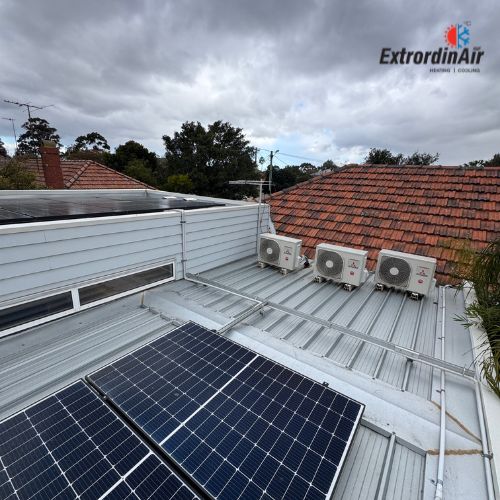
At the heart of your reverse cycle air conditioner lies the condenser. This outdoor unit, designed to withstand Melbourne’s hot summers and chilly winters, is the main point of heat exchange. In cooling mode, it acts as the system’s exhaust, rejecting unwanted heat.
Inside your home, the evaporator coil absorbs heat from the indoor air, turning liquid refrigerant into a hot gas. This gas then travels outdoors to the condenser. Working in conjunction with the compressor, the condenser releases the collected heat into the outside air and transforms the refrigerant back into a liquid state.
When clean and operating correctly, the condenser allows the compressor to work less strenuously, improving energy efficiency and reducing power bills. If dirty or obstructed, the system must work harder, consuming more energy and placing strain on components.
Whether part of a split system air conditioner or a ducted reverse cycle system, the performance of your entire HVAC setup depends on the efficiency of the condenser unit.
How the Aircon Condenser Works in Both Heating and Cooling Modes
In cooling mode, the process begins with hot, high-pressure refrigerant gas arriving from the compressor. This superheated gas flows through the condenser coil while the outdoor fan draws ambient air across the fins, carrying away the heat. As the refrigerant releases heat, it condenses back into a liquid, ready to cycle indoors to absorb more warmth. This loop continues, ensuring your home stays cool.
When switched to heating mode, a reversing valve changes the direction of refrigerant flow. The outdoor coil now acts as the evaporator, drawing heat energy from the outside air, even in cold conditions. The refrigerant absorbs this heat and, after compression, becomes a hot, high-pressure gas delivered indoors.
Here, the indoor coil becomes the condenser, releasing captured warmth into your living spaces. As the refrigerant condenses into a liquid, the cycle repeats, transferring heat from outside to inside. In very cold weather, frost may form on the outdoor coil, which is why reverse cycle systems feature an automatic defrost cycle. This is a normal part of operation and ensures efficient performance.
This clever switch of roles is what makes refrigerated air conditioning such an effective solution for both heating and cooling Melbourne homes.
What Refrigerant Is Inside Your Condenser, and Why It Matters
Until recently, most Melbourne homeowners never had to think about the refrigerant circulating between their indoor coil and outdoor condenser. That changed on 1 July 2024, when Australia banned the import and manufacture of single-head split systems using refrigerants with a Global Warming Potential (GWP) above 750, and again on 1 July 2025 when the same threshold was extended to small multi-head splits.
In practical terms, every new condenser unit installed on a Melbourne home now runs on R32 (GWP 675) instead of the older R410A (GWP 2,088), and a small but growing number of portable units and heat pumps are arriving with R290. This refrigerant-grade propane has a GWP below 5.
The reason this matters for your condenser specifically is that the refrigerant inside it dictates how the unit must be sited, charged, and serviced. R32 carries an A2L safety classification (mildly flammable, with a low burning velocity), which is why your installer must perform a minimum-room-area calculation for the indoor coil and tends to use flare connections rather than brazed joints near the outdoor unit.
R290’s A3 classification (highly flammable) is stricter again. These condensers are limited to very small refrigerant charges, require defined exclusion zones with no ignition sources nearby, and demand A3-rated recovery equipment for any service work.
If you already own an R410A condenser, it can keep running and be serviced indefinitely under existing rules; just be aware that R410A is becoming more expensive and harder to source. This is one of the reasons we may recommend a new air conditioning installation over a repair when a major component fails.
For a deeper breakdown of what each refrigerant means for your running costs, environmental footprint, and buying decision, read our companion guide to air conditioning refrigerants.
Common Issues and Troubleshooting for Your Air Conditioning Condenser
Like any major appliance, even the best heat pump air conditioning systems can experience issues. Recognising them early prevents costly repairs. Here are some things to look out for:
- Reduced heating or cooling capacity often signals restricted airflow or refrigerant problems.
- Dirty coils block heat transfer, forcing the unit to run harder and consume more energy.
- Unusual noises such as buzzing, squealing, or grinding may point to a failing fan motor, loose parts, or compressor damage.
- Leaks or puddles near the outdoor unit may indicate a refrigerant leak, which requires immediate professional attention.
DIY troubleshooting includes clearing debris, gently washing coils, and ensuring adequate airflow around the unit. For refrigerant leaks, compressor problems, or persistent underperformance, always call a licensed HVAC contractor. Handling refrigerants without certification is both dangerous and illegal. At ExtrordinAir, we are licensed under the Australian Refrigeration Council (ARCtik licence no AU29403) for air conditioning installation, repairs and servicing.

DIY Tips to Maintain Your Home Air Conditioner Compressor
Proactive air conditioning maintenance is the key to efficiency and longevity. Homeowners can:
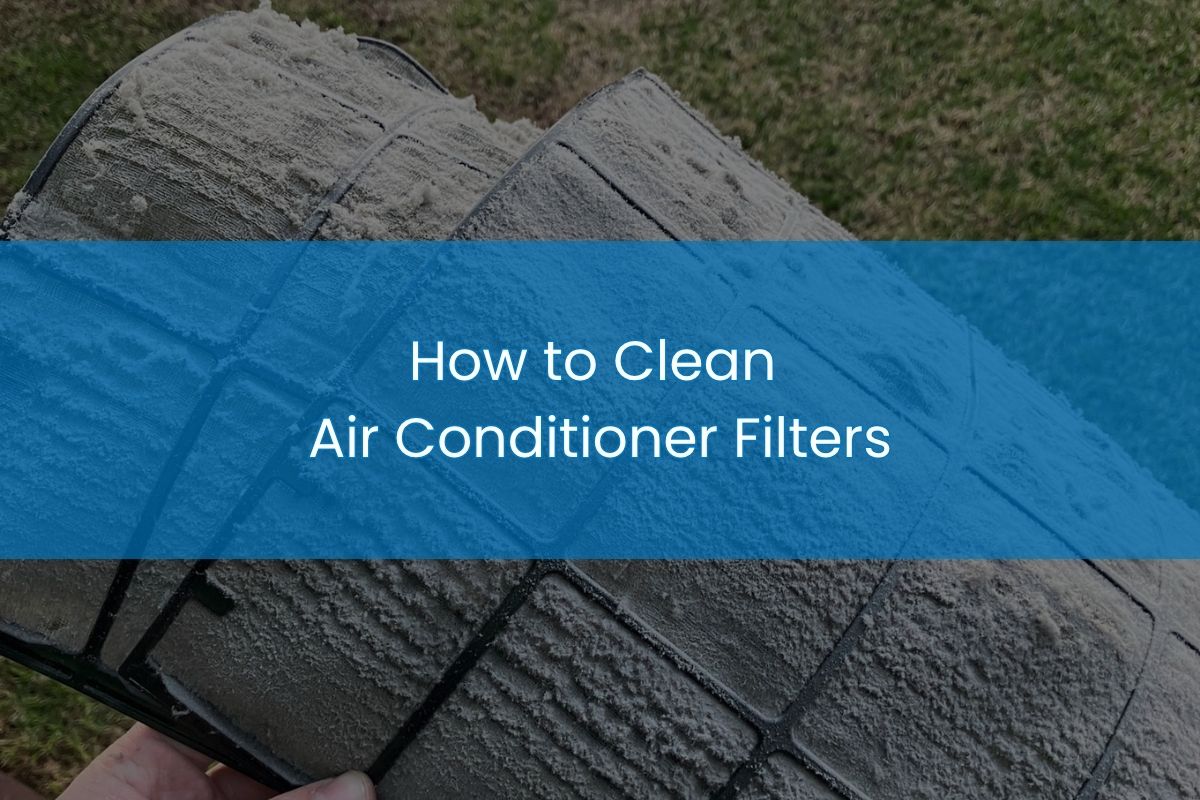
- Switch off the power and hose down coils annually to remove dirt and dust.
- Keep at least two feet of clear space around the outdoor unit.
- Trim shrubs, grass, and overhanging branches to prevent blockages.
- Straighten bent fins with a fin comb to restore airflow.
While these steps help, nothing replaces professional servicing. Scheduling an annual service with our team at ExtrordinAir ensures refrigerant levels are correct, electrical components are safe, and the system is thoroughly cleaned. In Melbourne, annual servicing before summer (and ideally a quick check before winter) keeps your split system or ducted reverse cycle system running reliably. Click here to book a service now.
Frequently Asked Questions About Air Conditioning Condensers
How often should I clean my air conditioning condenser?
You should clean your air conditioner condenser at least once a year, preferably before summer. In dusty areas or with pets, every six months is ideal.
What happens if my condenser is too dirty?
A dirty condenser struggles to transfer heat, reducing efficiency, raising energy bills, and overworking the compressor.
Can I replace my condenser unit myself?
You cannot replace an air conditioner condenser yourself. Replacement involves refrigerant handling, which must be carried out by a licensed technician.
What’s the average lifespan of a condenser unit?
An air conditioning condenser usually lasts 10 to 15 years in Australia, depending on climate, use, and maintenance. Heavy year-round use without regular servicing may shorten its lifespan.
Why is my condenser unit making loud noises?
Buzzing, squealing, or grinding may indicate a fan motor issue, debris in the fan, or a failing compressor. Turn the unit off and call the team at ExtrordinAir on (03) 9330 0277.
Ensuring a Long and Efficient Life for Your Heating and Cooling
Your reverse cycle air conditioner condenser is the workhorse of your system, working outdoors to keep your home cool in summer and warm in winter.
By combining simple homeowner maintenance with annual professional servicing, you can significantly extend the life of your condenser and enjoy lower running costs.
For major repairs or system upgrades, trust a certified air conditioning contractor such as ExtrordinAir Heating & Cooling Melbourne.
Invest in proper care today, and enjoy years of efficient, reliable comfort from your split system or ducted heating and cooling system.

20 Years
Experience

Professional
and Licensed

24 Hour
response time

Parts and labour
Guaranteed

Residential
& Commercial

Service
Melbourne Wide

No hidden
Cost

Clean Installation
Service